

CAGD to Suspend Salaries of Workers Without Verified Ghana Card from March 15
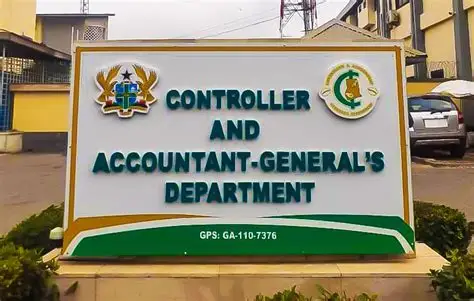
The Controller and Accountant-General’s Department (CAGD) told all public sector employees to check their Ghana Card details. They must do this in the government payroll system. Employees who do not verify their details risk having their salaries suspended, effective March 15, 2026.
In a letter dated February 11, 2026, the Department said it launched an upgraded e-Payslip platform. It found major data problems during the rollout.
These issues affected payroll records.
According to the CAGD, several discrepancies involve National Identification Authority (NIA) numbers captured in the payroll system that do not correspond with official records held by the National Identification Authority (NIA).
The inconsistencies were detected during a system upgrade aimed at improving payroll transparency and strengthening biometric verification measures across government institutions.
To address the issue, the CAGD has instructed Human Resource Departments within all affected “Covered Entities” to urgently reconcile mismatched data. The directive requires institutions to ensure that every employee on the mechanized payroll is accurately linked to a verified biometric identity through the Ghana Card.
Failure to comply with the verification process before the March 15 deadline will result in temporary salary suspension until discrepancies are resolved.
Affected Institutions
Major public institutions affected by the directive include:
- Ghana Education Service (GES)
- Ghana Health Service (GHS)
- Judicial Service of Ghana
- Ghana Prisons Service
- Ghana Immigration Service
- Ghana National Fire Service
- Electoral Commission of Ghana
- Ghana Audit Service
The move is part of broader government efforts to sanitize the payroll system, eliminate ghost names, and ensure full alignment between employee records and national biometric identification data.
Public sector workers are therefore urged to promptly verify their details with their respective HR departments to avoid disruptions in salary payments.
Read
 Frim Pong


Comments ()