

Ghana to Stop Exporting Raw Cashew and Shea
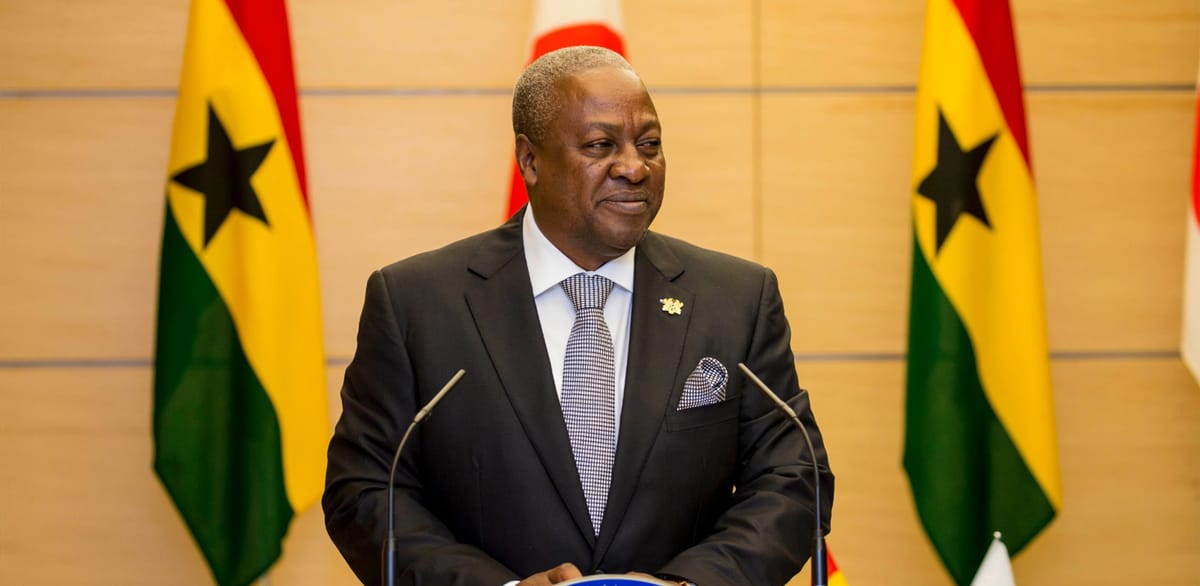
John Dramani Mahama announced an ambitious plan to boost local processing of Ghana’s major tree crops. He said Ghana will stop exporting raw farm goods and importing finished products at higher prices.
Speaking at the Ghana Tree Crop Investment Summit in Accra on Tuesday, February 17, President Mahama said his administration is targeting 50 to 60 per cent annual local processing of key crops including cashew, shea and rubber.
“I want to travel and be able to buy cashews and see the produce of Ghana, not the produce of India or the produce of some third-party country,” he stated.
“We will no longer export raw cashew, raw shea or unprocessed rubber while importing the same finished products at higher prices.”
To achieve this goal, President Mahama outlined plans to:
- Expand agro-industrial parks nationwide
- Introduce incentives for private sector processors
- Strengthen regulatory oversight through the Tree Crops Development Authority
The measures are expected to boost value addition, reduce post-harvest losses, and enhance Ghana’s competitiveness in global agricultural markets.
President Mahama also reaffirmed the government’s commitment under the National Policy on Integrated Oil Palm Development, describing oil palm as “red gold.”
According to him, the government will invest $500 million to develop 100,000 hectares of oil palm plantations, a move projected to create 250,000 direct jobs.
“Our target is clear: 50 to 60 per cent local processing annually, expansion of agro-industrial parks, incentives for private sector processors and stronger regulatory oversight,” he said.
The President emphasised that the initiative forms part of a broader strategy to industrialise Ghana’s agricultural sector, promote value addition and create sustainable employment opportunities across the country.
If fully implemented, the policy could mark a significant shift in Ghana’s export structure — moving from raw commodity exports toward higher-value processed goods.
Read:
 Frim Pong



Comments ()