

Education Ministry to Release 50,000 Professional Teachers to Private Schools - GNACOPS
The Ministry of Education and GNACOPS are finalizing plans to deploy over 50,000 trained teachers. They will be sent to private schools across Ghana. The goal is to address teacher shortages and enforce licensing standards.

By: FrimPong | The Breaking Desk
Published: 04 September, 2026
ACCRA, Ghana — September 4, 2026 — In a major public-private partnership to improve basic and secondary education, the Ministry of Education is finalizing agreements. The plan will place over 50,000 trained and licensed teachers in private schools across Ghana.
This plan addresses the ongoing shortage of qualified teachers in non-state schools. It also expands access to standard teacher training for thousands of students.
Speaking during an exclusive interview on Starr FM’s flagship morning program, Morning Starr, with host Isaac Addae on Thursday, September 3, 2026, the National Executive Director of the Ghana National Council of Private Schools (GNACOPS), Obenfo Nana Kwasi Gyetuah, confirmed that policy discussions with state education managers have reached advanced stages.
"We have teacher deficits in our private education space, and our mandate as a council is to ensure that the quality education we deliver is coming from professional teachers," Gyetuah noted during the broadcast. "We are finalizing an arrangement with the Ministry of Education where the ministry is set to release over 50,000 professional teachers to various private schools to support quality education in this regard."
GHANA BASIC EDUCATION TEACHING FORCE (OVERVIEW)
Public Basic Schools │ 85%+ Professional / Licensed
Private Basic Schools │ Significant Non-Professional Gap
Addressing the Private Sector Skills Deficit
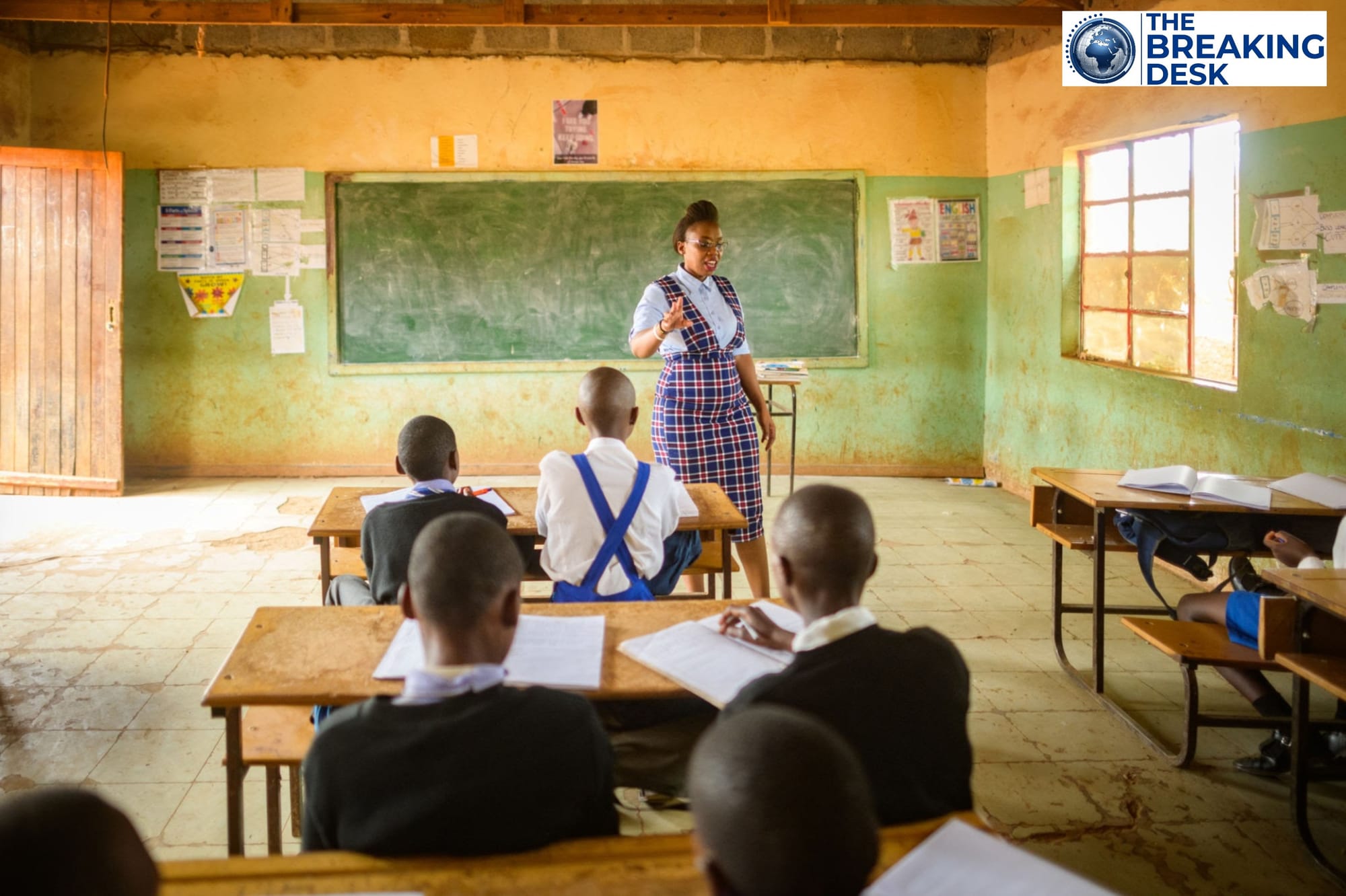
Private basic schools make up a large share of primary and junior high enrollment across Ghana’s 16 regions. Regional monitoring reports show many non-state schools struggle to attract and keep trained teachers. This is often due to pay differences and high operating costs.
Consequently, private school proprietors often rely on senior high school graduates and tertiary graduates without pedagogical training.
The pending framework between GNACOPS and the Ministry of Education seeks to close this gap. It will create an institutional pathway for certified educators. These educators are trained through Colleges of Education and accredited universities. They will serve within non-state basic schools.
Regulatory Alignment and NTC Compliance
The deployment plan coincides with tightened enforcement of the Education Regulatory Bodies Act, 2020 (Act 1023). Under the National Teaching Council (NTC) law, all teachers in public and private schools must have licenses.
They must also pass the Ghana Teacher Licensure Examination (GTLE).
Integrating 50,000 professional teachers into private institutions will speed up regulatory compliance for private school operators. It will also create posting opportunities for newly qualified and unassigned professional educators nationwide.
| Key Implementation Area | Strategic Purpose | Statutory Anchor |
| Professional Licensing | Enforce standardized teaching practice across non-state schools | Education Regulatory Bodies Act, 2020 (Act 1023) |
| Quality Assurance | Align private school learning outcomes with NaCCA curriculum guidelines | National Council for Curriculum and Assessment (NaCCA) |
| Workforce Placement | Absorb certified teachers into active classroom service | Ministry of Education / GNACOPS Framework |
Pending Operational Modalities
GNACOPS emphasized that while policy alignment between the council and the Ministry of Education is secured, final administrative frameworks remain under executive review.
The upcoming joint briefing is expected to clarify critical operational details, including:
- Payroll Structure and Financial Responsibility: Clarify whether deployed teachers will stay on government payroll support. Or will private proprietors pay set salaries under a subsidized plan?
- Selection and Allocation Criteria: The mechanisms for determining eligibility among private basic schools and criteria for regional distribution.
- Conditions of Service: Standardized contract terms, continuous professional development (CPD) requirements, and tenure guidelines for deployed staff.
"We will share the details with you by tomorrow," Gyetuah added during the interview. "We will be finalizing most of the engagement by tomorrow, and then we can share most of the details. Private education will get a big boost in quality once we get these trained teachers.
Stakeholders across education, including teacher unions and regional school owners, await the joint release. The Ministry of Education and GNACOPS will outline the deployment roadmap.
Read:
 FrimPong
 FrimPong


Comments ()