

Ghana Passes Tribunals Bill 2026: Everything You Need to Know
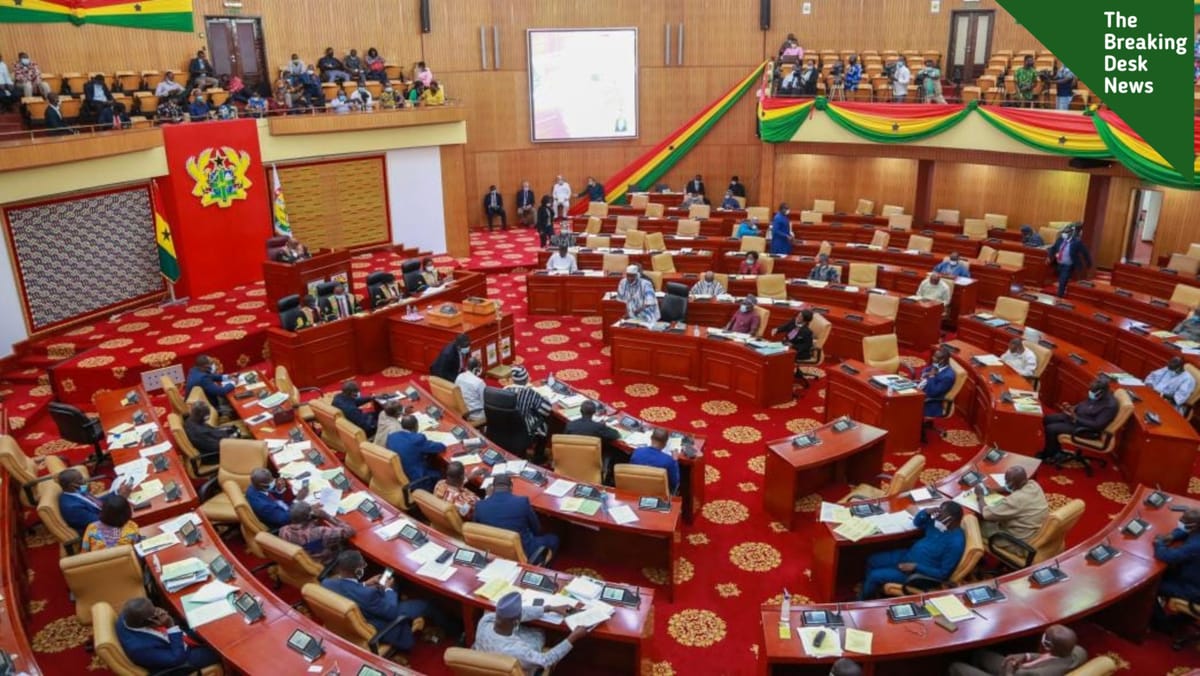
Ghana's Parliament has approved the Tribunals Bill, 2026, marking one of the most significant legal reforms in recent years. The legislation seeks to revive the country's tribunal system under a new legal framework designed to improve access to justice and reduce delays in the courts. The bill now awaits presidential assent before becoming law.
While supporters say the reform will speed up justice delivery, critics fear it could create a parallel judicial system and revive memories of controversial tribunals from Ghana's past.
So, what exactly is changing?
What Is a Tribunal?
A tribunal is a legally established body that hears and determines certain categories of disputes or criminal matters. Although tribunals form part of Ghana's judicial system under the 1992 Constitution, they have largely remained inactive for many years. The new legislation seeks to make them operational again under updated constitutional safeguards.
Unlike the ordinary courts, tribunals are generally intended to handle specialised cases more quickly while maintaining legal standards.
Why Did Parliament Pass the Bill?
According to the Attorney-General and Minister for Justice, Dr. Dominic Ayine, the legislation aims to:
- Reduce the backlog of cases in Ghana's courts.
- Improve access to justice.
- Speed up the hearing of specialised cases.
- Strengthen public confidence in the justice system.
- Operate tribunals within the framework of the 1992 Constitution.
The government argues that many court cases take years to conclude, making faster dispute resolution necessary.
Why Is the Bill Controversial?
The debate surrounding the bill was intense.
The Minority Caucus staged a walkout before Parliament approved the legislation, arguing that it could establish what they described as a "parallel" judicial system that is inconsistent with the Constitution. They also objected to provisions allowing tribunal panels to include non-lawyers alongside legally qualified chairpersons, raising concerns about criminal adjudication.
Some labour groups have also expressed reservations, warning that tribunals must not repeat the abuses associated with earlier tribunal systems.
Government Rejects Fears of Abuse
The Attorney-General has dismissed concerns that the revived tribunals would resemble those of previous political eras.
He insists the new law contains constitutional safeguards designed to protect human rights, ensure due process and operate under judicial oversight. The government maintains that the tribunals are intended to complement, not replace the existing court system.
What Happens Next?
Although Parliament has passed the Tribunals Bill, it has not yet become law.
The bill must now receive presidential assent before it officially takes effect. After that, the government will be expected to establish the necessary structures, appoint tribunal members and implement regulations governing how the tribunals will operate.
Why This Matters
The passage of the Tribunals Bill could significantly reshape Ghana's justice system.
If implemented effectively, supporters believe it could reduce lengthy court delays and improve access to justice for citizens. However, its success will likely depend on how independently and transparently the tribunals operate and whether constitutional safeguards are consistently upheld.
As Ghana awaits the President's decision, the debate over balancing faster justice with judicial independence is expected to continue.
Read:
 Frim Pong



Comments ()