

Ghana to Ban Raw Mineral Exports by 2030: Mahama Announces New Policy
President John Dramani Mahama announces Ghana will phase out raw exports of bauxite, manganese, iron, and lithium by 2030 to drive local processing.
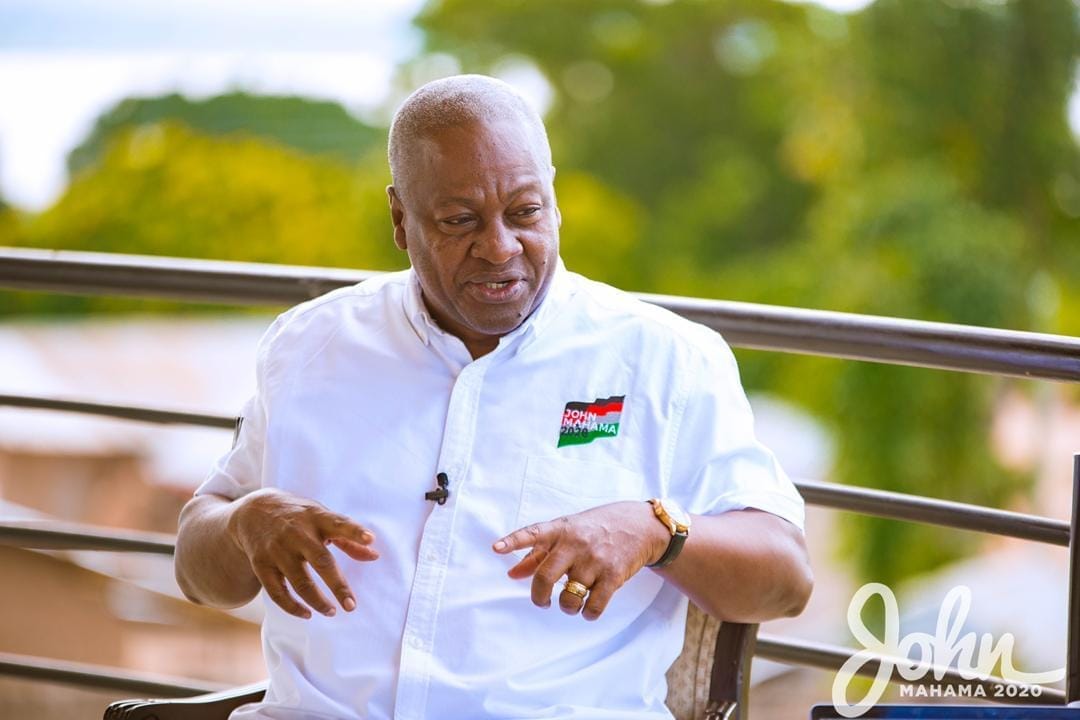
Ghana is set to enforce a raw mineral export ban by 2030, marking a major shift from raw extraction to domestic industrialization. President John Dramani Mahama announced the policy at the Mining in Motion Conference, confirming that unprocessed ores will no longer be allowed to leave the country by the end of the decade.
The policy will cover key minerals, including bauxite, lithium, manganese, and iron ore. It is part of John Dramani Mahama’s new mining policy. The policy focuses on local mineral processing in Ghana.
"We have a clear goal that by 2030, raw mineral ores should no longer leave our shores. Our bauxite, manganese, iron, lithium, and other minerals must support processing and industrial development here at home," President Mahama stated.
You can read more on Mahama's recent policy announcements.
What is Ghana's New Raw Mineral Export Ban?
Under the new framework, Ghana will phase out the export of unprocessed mineral ores by 2030. This bauxite and lithium export ban and broader restriction is designed to end decades of exporting low-value raw materials and importing high-value finished goods.
The initiative builds on existing measures, including the current ban on iron scrap and non-ferrous metals exports. This follows the government's earlier decision on Ghana's ban on scrap metal exports.
Why Ghana is Shifting to Value Addition Mining
This strategic move towards value addition mining in Africa aims to correct a long-standing economic imbalance. For decades, resource-rich African nations have lost billions in potential revenue by exporting raw ores.
1. Strengthen Local Processing Capacity
The government will prioritize developing domestic smelters, refineries, and lithium processing plants. This mirrors the push for local lithium processing at Ewoyaa.
2. Drive Downstream Industrialization
Refined materials will feed local industries such as steel production, EV battery manufacturing, and renewable energy. See our previous report on Ghana's 24-hour economy agenda.
3. Retain More Economic Value
Processed minerals command significantly higher prices on the global market than raw ores, boosting Ghana's export earnings.
What the 2030 Ban Means for Mining Investors
President Mahama was clear about the expectations for foreign stakeholders. Under the John Dramani Mahama mining policy, access to Ghana's resources will come with strict processing obligations.
Key Changes for Investors:
- Mandatory Local Processing: New mining leases will require commitments to build or partner with local processing facilities.
- Transparent Roadmap to 2030: The government will release mineral-specific timelines and legal frameworks to guide the transition.
- Investor Alignment: As President Mahama noted, "Investors must understand the processing obligations associated with access to our resources."
Read related: Ghana Constitutional Review: Government Backs 5-Year Term & Age Limit Reduction
Ghana Passes Tribunals Bill 2026: Everything You Need to Know
Over 1,300 Security Service Applicants Test Positive for HIV – Interior Minister



Comments ()