

How TraffiTech-GH Cameras Work in Ghana: SMS Fines, Evidence and How to Check (2026)
A complete guide to Ghana's TraffiTech-GH automated traffic enforcement system, including how cameras work, SMS fines, evidence verification, payment, and how to contest violations.
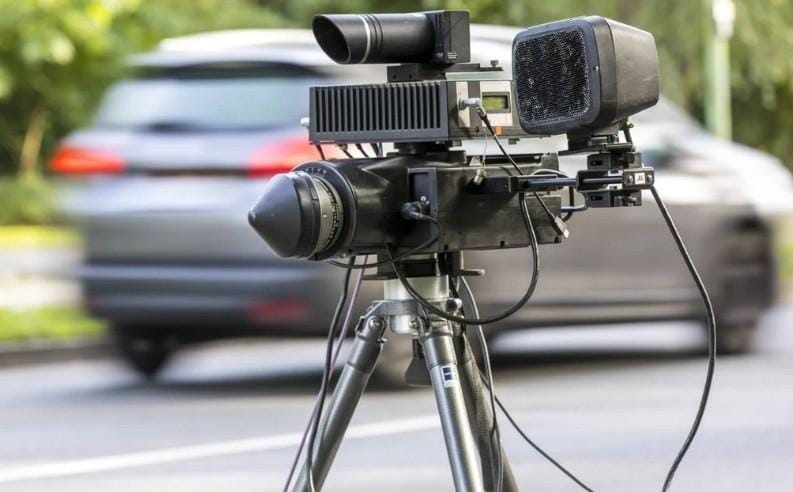
Ghana's automated traffic enforcement system, TraffiTech-GH, officially became operational on November 1, 2026, introducing a technology-driven approach to detecting and addressing road traffic violations.
Implemented by the Ghana Police Service through its Motor Traffic and Transport Department (MTTD), the system uses cameras and other monitoring equipment to capture traffic offences and issue Electronic Notices of Violation (ENVs) to motorists and registered vehicle owners.
For drivers and vehicle owners, the introduction of the system also raises important questions. How do the cameras detect speeding? What happens after a violation is recorded? How can motorists verify an SMS fine, view the evidence and challenge a ticket they believe was issued incorrectly?
This guide explains how TraffiTech-GH works, what information appears in an official traffic violation notification, how to check the evidence, and the steps to take before making a payment.
What Is TraffiTech-GH?
TraffiTech-GH is an automated traffic law enforcement system developed by the Ghana Police Service to improve compliance with road traffic regulations and promote safer driving.
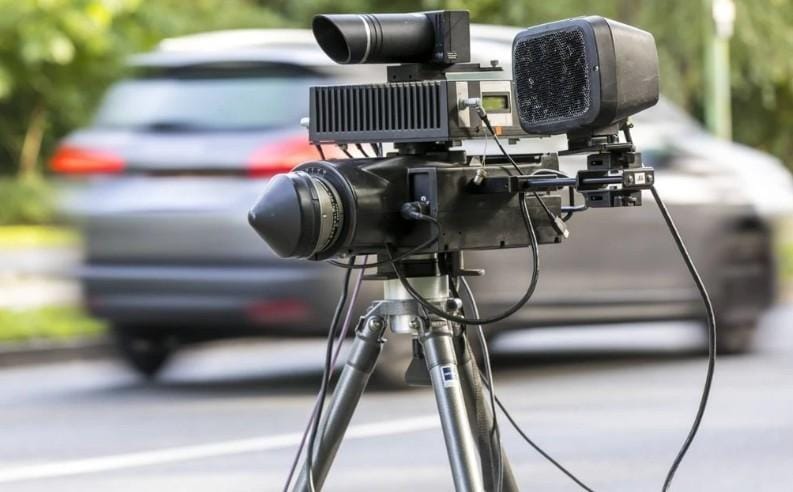
It uses cameras, sensors, and speed-measurement equipment to identify vehicles suspected of violating traffic laws. Instead of relying exclusively on police officers to stop motorists at the roadside, the technology allows certain offences to be detected and documented electronically.
The system operates under the supervision of the MTTD, which is responsible for reviewing recorded violations and issuing Electronic Notices of Violation.
The initiative is intended to reduce road indiscipline, discourage dangerous driving, and help address road crashes, injuries, and fatalities.
Importantly, TraffiTech-GH does not replace conventional traffic enforcement. Police officers can still stop motorists and take action against drivers who violate road traffic regulations.
How Do TraffiTech-GH Cameras Work in Ghana?
TraffiTech-GH uses different types of enforcement equipment to monitor vehicles and capture traffic violations.
According to the Ghana Police Service, the system deploys fixed cameras, mobile or in-vehicle devices, and laser speed-measurement equipment.
These technologies serve different purposes depending on the road, enforcement location, and type of violation being monitored.
The main equipment includes:
1. Fixed traffic cameras
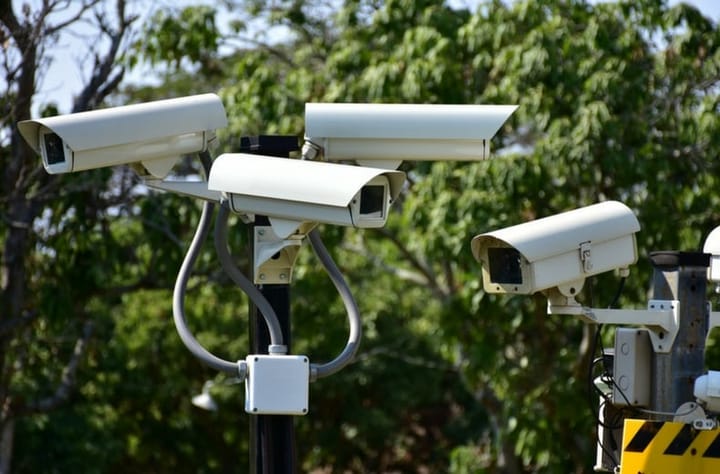
These cameras are installed at designated locations to monitor vehicles passing through particular road sections. They can capture images and video evidence of suspected violations, including speeding and running red lights.
2. Mobile and in-vehicle cameras
Mobile enforcement equipment allows the Police to monitor traffic from vehicles. This provides flexibility because enforcement is not limited to locations with permanently installed cameras.
3. Laser speed-measurement devices
Laser equipment is used to measure the speed of vehicles and identify motorists travelling above the applicable speed limits.
The recorded information is transmitted to the enforcement system for examination before an electronic violation notice is issued.
For a more detailed walkthrough, read our guide on how to check a TraffiTech-GH fine and verify your ticket.
How the TraffiTech-GH Enforcement Process Works
The process involves four main stages, from the initial detection of an offence to the notification sent to the vehicle owner.
Step 1: A camera or device captures the traffic violation
When a vehicle is suspected of committing an offence, the relevant camera or monitoring device records information about the incident.
Depending on the equipment and type of violation, this may include the vehicle's registration number, photographs, video footage, speed information, location, date and time.
For example, a speed-measurement device may record a vehicle travelling above the permitted speed limit, while a traffic camera may capture a vehicle crossing an intersection after the traffic light has turned red.
Step 2: The evidence is reviewed by the MTTD
The recorded photographs and/or videos are automatically transmitted to the back-office system for review.
The Ghana Police Service examines the information to establish whether a traffic violation has occurred before issuing an Electronic Notice of Violation.
This validation stage is important because the system is not simply expected to send fines without examining the recorded offence.
Step 3: An Electronic Notice of Violation is sent by SMS
Once a violation is confirmed, the Ghana Police Service issues an Electronic Notice of Violation (ENV) through the official sender ID, GPS-MTTD.
For camera-detected offences, the notification is sent to the registered vehicle owner's phone number.
Where an MTTD officer stops a motorist at the roadside and records an offence using a handheld Personal Digital Assistant (PDA), the notice may be issued directly to the driver.
Step 4: The motorist pays or contests the notice
After receiving an ENV, the recipient should check the ticket details and review the available photographic or video evidence.
If the violation is accepted, payment can be completed through the approved channels.
However, motorists who disagree with the alleged offence can initiate an online contest within 14 days of the notice's issuance date.
Find out more about the applicable charges, speeding penalties, and financial consequences in our guide to TraffiTech-GH fines and penalties in Ghana.
What Information Should a TraffiTech-GH SMS Contain?
A genuine Electronic Notice of Violation contains information that allows the recipient to identify the alleged offence and the vehicle involved.
According to the Ghana Police Service, motorists should expect the following details:
- Ticket number: A unique reference used to identify the violation.
- Vehicle registration number: The registration details of the vehicle involved.
- Location: The place where the alleged offence occurred.
- Date and time: When the violation was recorded.
- Offence description: The specific traffic regulation allegedly violated.
- Payment amount: The fine associated with the offence.
- Payment deadline: The date by which the fine should be settled or contested.
The official sender ID should read GPS-MTTD.
Motorists should not assume that a message is genuine simply because it contains their vehicle registration number or a ticket reference. Fraudulent messages can also contain information designed to make them appear authentic.
How to Check a TraffiTech-GH Fine and View the Camera Evidence
Motorists who receive a traffic violation SMS can verify the notice and examine the available evidence before making payment.
The Ghana Police Service directs recipients to use the official National Investment Bank (NIB) payment portal.
Follow these steps:
- Visit https://traffitech-ghpay.nib.com.gh.
- Enter the Ticket Number provided in the Electronic Notice of Violation.
- Retrieve the details of the recorded offence.
- Select the option labelled "View photo/video evidence, other violation data".
- Examine the available photographs and video footage.
- Confirm that the vehicle registration number, location, date, and time correspond with the information in the SMS.
This process allows motorists to examine the circumstances surrounding the alleged violation rather than relying only on the text message.
People who do not have smartphones or internet access can contact the TraffiTech-GH Call Centre on 059 692 2402 for assistance.
Who Is Responsible for Paying a TraffiTech-GH Fine?
One important aspect of the automated enforcement system is the responsibility placed on registered vehicle owners.
Under the Road Traffic Regulations, 2026 (L.I. 2519), an Electronic Notice of Violation for a camera-detected offence is sent to the registered owner of the vehicle.
This means that the registered owner may be held responsible for the violation even when another person was driving at the time.
For example, if a vehicle owner lends a car to a friend who subsequently exceeds the speed limit and is captured by a TraffiTech-GH camera, the electronic notice will ordinarily be sent to the registered owner's registered phone number.
The Police have also clarified that selling a vehicle does not automatically remove the former owner's responsibility if the ownership transfer has not been officially recorded at the Driver and Vehicle Licensing Authority (DVLA).
Vehicle owners are therefore encouraged to complete ownership transfers and ensure that their contact information is up to date.
Where a vehicle has been stolen, or its registration plates have been stolen, the matter should be reported to the Police and the relevant authorities. Supporting police documentation may be required when contesting a related violation.
What Happens If You Do Not Pay a TraffiTech-GH Fine?
Motorists who receive an Electronic Notice of Violation are given 14 days from the date of issuance to pay the fine or initiate a contest.
Failure to settle the fine within the permitted period attracts additional financial consequences.
According to the Ghana Police Service, an additional penalty of 1 per cent of the original fine is imposed for each day of default after the 14-day payment period.
For example, if the original fine is GH¢500, the additional daily penalty would be GH¢5 for every day of default.
Outstanding fines can also affect transactions at the DVLA.
The Police have indicated that motorists with unpaid violations may face restrictions on services including:
- Driving licence renewal.
- Vehicle ownership transfers.
- Vehicle registration and re-registration.
- Vehicle lay-off transactions.
- Vehicle roadworthiness inspections.
Motorists can check outstanding traffic fines by dialling *220# and following the instructions.
It is therefore important to verify and settle outstanding violations before visiting the DVLA for vehicle or driving licence services.
How to Identify Fake TraffiTech-GH SMS Messages and Avoid Scams
The introduction of automated traffic enforcement has also created opportunities for fraudsters to impersonate the Ghana Police Service and send fake traffic violation messages.
The Cyber Security Authority (CSA) has warned motorists about fraudulent SMS messages and websites designed to imitate the official TraffiTech-GH payment platform.
Some of these messages contain fabricated ticket numbers, vehicle registration details, and payment demands intended to persuade recipients to disclose their banking information.
To protect yourself, observe the following precautions:
1. Check the sender ID
Official Electronic Notices of Violation should come from GPS-MTTD. Be suspicious of messages sent from ordinary personal mobile numbers.
2. Avoid suspicious payment links
The Ghana Police Service warns that messages from other sender IDs or those containing clickable links are likely to be fraudulent. Do not click suspicious links.
Instead, manually enter the official payment portal address into your browser.
3. Verify the ticket number
Use the official NIB portal to retrieve the ticket details and examine the available photographic or video evidence.
4. Never send money to personal Mobile Money numbers
TraffiTech-GH fines should only be paid through the approved payment channels. Do not transfer money to an individual's Mobile Money account or a private bank account.
5. Protect your banking information
Do not disclose your card number, expiry date, CVV or other banking credentials on suspicious websites.
6. Report suspected scams
Motorists can report suspicious messages to the Ghana Police Service through 191 or 18555 (toll-free). Suspected cybercrime incidents can also be reported to the Cyber Security Authority through its official reporting channels.
For a more detailed walkthrough, read our guide on how to check a TraffiTech-GH fine and verify your ticket.
Which Traffic Offences Can TraffiTech-GH Detect?
Although speeding was a major focus of the initial rollout, the Ghana Police Service has identified several other offences covered by the wider TraffiTech-GH enforcement programme.
These include:
- Exceeding the prescribed speed limit.
- Running a red traffic light.
- Wrongful overtaking.
- Failure to use seatbelts.
- Driving with an expired roadworthiness certificate.
- Driving with an expired licence.
- Operating an uninsured vehicle.
- Misuse of sirens.
The actual enforcement method may differ depending on the offence and equipment deployed.
The Police have also clarified that the system applies to motorcycles and tricycles. Foreign-registered vehicles are subject to separate enforcement procedures.
Motorists should therefore avoid assuming that only private cars or speeding violations fall within the programme.
Frequently Asked Questions About TraffiTech-GH
When did TraffiTech-GH start operating in Ghana?
TraffiTech-GH officially became operational on November 1, 2026, under the Ghana Police Service through the MTTD.
Does TraffiTech-GH work at night?
The Police describe a system using fixed and mobile monitoring equipment, but have not provided a comprehensive public specification of operating hours for every device. Motorists should continue to observe traffic regulations at all times, including at night.
Can TraffiTech-GH cameras detect okada and tricycles?
Yes. The Ghana Police Service says the programme applies to motorcycles and tricycles as well as other classes of motor vehicles.
What happens if someone else drives my vehicle and commits an offence?
For camera-detected offences, the Electronic Notice of Violation is ordinarily sent to the registered vehicle owner, who remains liable under the applicable regulations regardless of who was driving.
Can I see the video evidence before paying?
Yes. Enter your Ticket Number on the official NIB portal and select "View photo/video evidence, other violation data" to examine the available evidence.
How many days do I have to pay or contest a fine?
Motorists have 14 days from the date the Electronic Notice of Violation is issued to pay or initiate an online contest.
Can I contest a TraffiTech-GH fine?
Yes. A motorist who disagrees with a notice must begin the contest process online within 14 days of its issuance. The person will be required to select a preferred MTTD regional police station and a date for an appointment.
What happens if I have sold my vehicle?
You should officially notify the DVLA and complete the ownership transfer. Until the vehicle register is updated, you may remain responsible for violations recorded against a vehicle registered in your name.
How can I check whether my vehicle has outstanding traffic fines?
Dial *220# and follow the instructions to check outstanding violations associated with your vehicle or driving licence details.
Does TraffiTech-GH apply to foreign-registered vehicles?
The Police have indicated that foreign-registered vehicles are subject to separate enforcement procedures.
What Motorists Should Know
TraffiTech-GH represents a significant change in how traffic regulations are enforced in Ghana. By combining automated monitoring equipment with electronic violation notices and evidence verification, the system is designed to improve accountability and encourage motorists to comply with road safety regulations.
For vehicle owners and drivers, understanding how the system operates is equally important. An SMS traffic notice should never be ignored or paid without verification. Motorists should check the sender ID, examine the vehicle and offence details, review the available evidence, and use only approved payment channels.
Those who believe a notice was issued incorrectly should follow the official contest procedure within the stipulated 14-day period.
Ultimately, the effectiveness of TraffiTech-GH will depend not only on the technology used but also on accurate enforcement, public awareness, and motorists' willingness to observe traffic regulations.
Official information and assistance
- Ghana Police Service TraffiTech-GH FAQs: https://police.gov.gh/en/index.php/traffitech-gh/
- Evidence verification and payment: https://traffitech-ghpay.nib.com.gh
- USSD payment: 7100#
- Outstanding fine checks: *220#
- TraffiTech-GH Call Centre: 059 692 2402
- Police emergency: 191
- Police toll-free line: 18555


Comments ()