

Ghana Exits IMF Bailout Programme
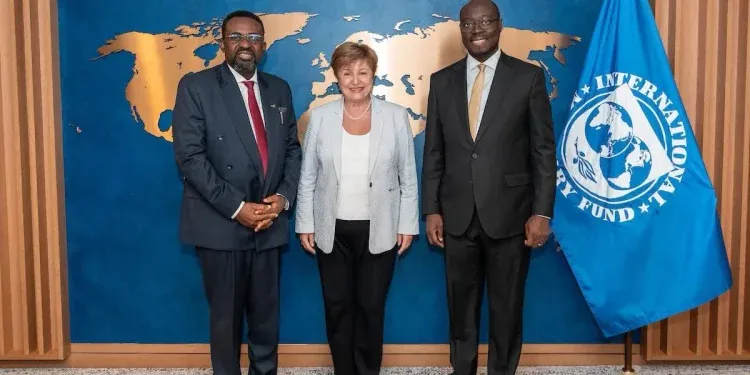
The Government of Ghana has announced that the country has officially completed its Extended Credit Facility arrangement with the International Monetary Fund, bringing an end to the financial bailout programme that supported the economy during one of its most difficult periods. The transition marks a new phase in Ghana’s economic recovery strategy, with authorities now opting for a non-financing policy support arrangement instead of further bailout funding.
A statement released by Presidential Spokesperson and Minister for Government Communications, Felix Kwakye Ofosu, said the country’s early exit from the programme reflects steady improvements in economic management and debt sustainability. Government explained that after economic pressures and programme setbacks in late 2024, the administration of John Dramani Mahama rolled out strict fiscal discipline measures and wide-ranging reforms aimed at rebuilding confidence in the economy.
Officials say the impact of those reforms is beginning to show across several sectors of the economy. Inflation has eased, the Ghana cedi has gained stability, and debt-related pressures have reduced significantly. Government also pointed to stronger economic growth and improved investor confidence as signs that the recovery efforts are producing results.
According to the statement, Ghana’s international credit standing has improved considerably, with rating agencies upgrading the country from restricted default status to a “B” rating with a positive outlook. Authorities believe the upgrade reflects improved fiscal management, stronger reserves and growing trust from international investors and financial institutions.
Government further disclosed that by February 2026, Ghana’s gross international reserves had climbed to about $14.5 billion, enough to cover nearly six months of imports. Officials say this reserve level provides the country with a stronger financial cushion against external shocks and global economic uncertainty.
Although the IMF bailout programme has ended, Ghana will continue engaging the IMF under a Policy Coordination Instrument (PCI). Unlike the previous arrangement, the PCI does not involve direct financial disbursement. Instead, it focuses on technical guidance, policy monitoring and helping countries maintain economic credibility in the eyes of investors and development partners.
Authorities believe the new arrangement could support Ghana’s long-term objective of achieving investment-grade status in the coming years. Government says such a milestone would reduce borrowing costs, attract more foreign direct investment and create easier access to financing for infrastructure and private sector expansion.
Government also thanked citizens, creditors, investors and development partners for their patience and cooperation throughout the country’s economic recovery journey.

Comments ()