

Buy Ghana First: Government to Force Schools to Buy Local Rice and Sugar
Public institutions spending state funds on food for schools and security services will soon be legally required to buy Ghanaian-grown rice and sugar, unlocking a massive share of the country's GH¢6 billion annual feeding budget for local farmers.
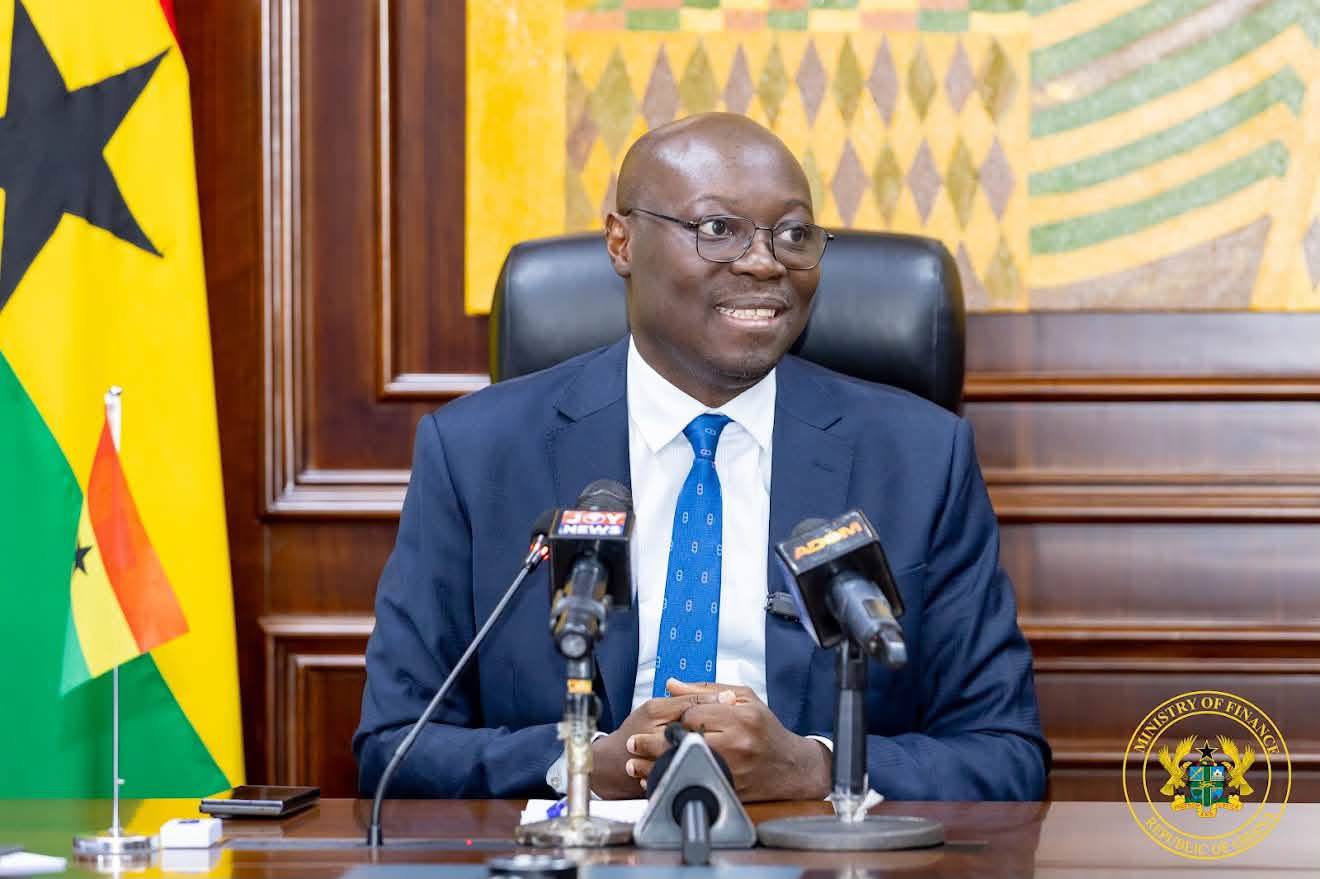
Finance Minister Dr Cassiel Ato Forson has announced that Ghana is preparing a new law that will compel all state institutions to patronize locally grown rice and sugar first. The law will impact the Ghana School Feeding Program, Free SHS, and the security services, which spend some GH¢6 billion on food every year.
The proposed law would oblige public institutions using taxpayer money to buy their rice and sugar from Ghanaian farmers, rather than importing. The government is now moving to write local-content rules directly into Ghana’s public procurement framework. Procurement officers and institutions that ignore the mandate will face formal sanctions.
Ghanaian farmers grow the rice, but their harvest often sits unsold in warehouses. Meanwhile, just down the road, a school is serving children imported rice bought with Ghanaian taxpayers' money.
That is the painful contradiction the government says it is about to end. Finance Minister Dr Cassiel Ato Forson has announced plans for a new law that will require state institutions to buy Ghanaian-grown rice and sugar first.
He made the announcement on the Citi Breakfast Show on Friday, November 13. His argument was simple. If public money is being used to buy food, that money should support Ghanaian farmers first, not foreign producers.
This will not be just a policy or a recommendation. Once passed, it will be law. Any institution that spends public funds on food will be legally required to source its rice and sugar from local farms.
The biggest impact will be felt in three places: the Ghana School Feeding Programme, which feeds millions of basic school pupils every day; the Free SHS policy, which feeds students in senior high schools across the country; and the security services, including the police, military, prisons and fire service.
Together, those programmes spend about GH¢6 billion on food every year. That figure is more than just a budget line. For a farmer in the Volta Region, Northern Region or Upper East who never knows whether his harvest will sell, it means a guaranteed buyer.
It means the government itself will be buying what he grows. For years, local farmers have raised the same complaint. They grow the rice, but nobody buys it, and the government ends up importing rice from abroad instead.
By writing local-content rules directly into Ghana's public procurement law, the Ministry of Finance wants to close that gap permanently. The government also says this law will have teeth.
Public institutions and procurement officers who ignore the mandate and continue importing rice and sugar will face formal sanctions. In short, buy Ghana first, or face the law. For farmers, this could mean a reliable income.
For parents, it could mean the rice their child eats at school is grown right here in Ghana. And for the country as a whole, it could mean GH¢6 billion that used to leave Ghana will now stay here, creating jobs in our towns and villages.
It is one of the first real steps in the New Economy Programme: grow it here, buy it here, eat it here.
Read:
Finance Minister Outlines 8 Pillars to Power Ghana's New Economy



Comments ()