
Finance Minister Outlines 8 Pillars to Power Ghana's New Economy
Dr Cassiel Ato Forson has unveiled the 8 pillars of Ghana's US$10 billion New Economy Programme in the 2027 Budget. Here is what each pillar means for you.
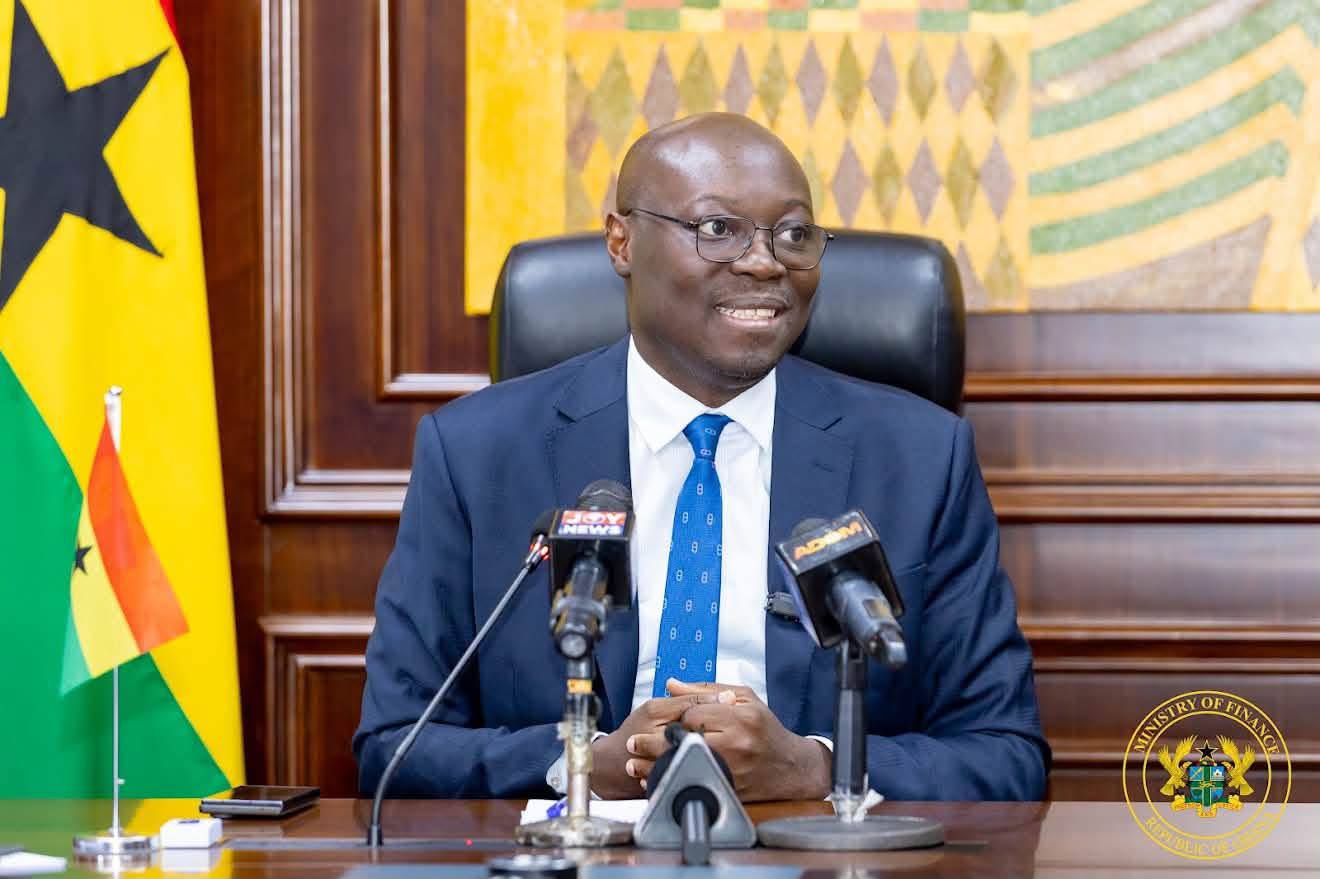
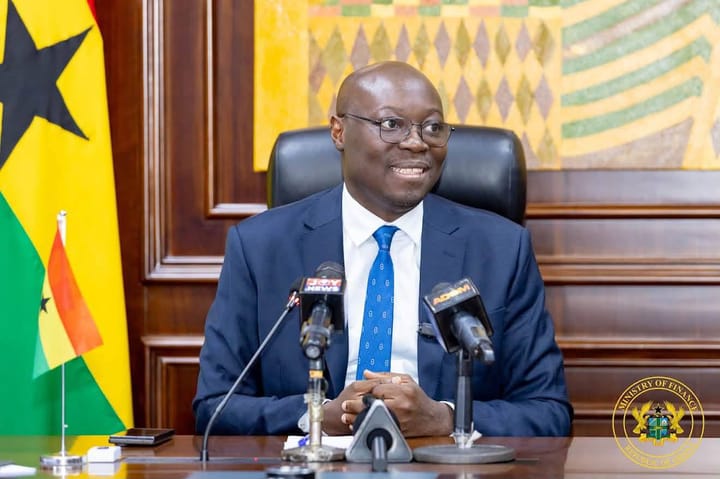
Finance Minister Dr Cassiel Ato Forson has outlined the eight pillars that would underpin the New Economy Program for Ghana, a four-year, US$10 billion plan to move Ghana from stabilization to production, jobs, and prosperity.
Dr. Forson presented the 2027 Budget Statement and Economic Policy to Parliament on Thursday, 12 November. The program, Forson said, will run from 2027 to 2030 as Ghana marks 70 years of independence.
“Over four years, from 2027 to 2030, the Government will spend the equivalent of US$10 billion to build a modern Ghanaian economy for jobs and prosperity,” Ato Forson told Parliament.
Government will invest GHc30 billion -1.5% of GDP- in the program alone in 2027.
The goal is simple: stop exporting raw materials and begin to produce, process, and add value at home.
What is the New Economy Program? The New Economy is more than a budget. It is a production system that is integrated.
Instead of judging the economy by inflation figures alone, the government says it will now judge it by jobs created, incomes earned, and goods produced in Ghana.
The eight pillars are designed to work together. Cheap finance will help farmers. Farmers will feed factories. Reliable power will power those factories. Technology will connect them all.
Overview of the 8 Pillars
1. Cotton Garments and Textiles Revitalize the local textile value chain to create jobs and link Ghanaian businesses to global fashion markets.
- Tech Economy Drive the other seven pillars by strengthening digital infrastructure, AI, and technology-enabled jobs.
- Reforms and Infrastructure in the Energy Sector Provide reliable and affordable power to support non-stop industrial activity under the 24-Hour Economy policy.
- Commercial Agriculture, Agri-Industry, and Agri-business Scale up large-scale farming and agro-processing to ensure food security and provide raw materials for local factories. This pillar alone will receive a US$3 billion injection.
- Culture and Creative Arts Tourism Develop Ghana’s heritage, music, film, fashion, and festivals into sustainable businesses that create jobs and earn foreign exchange.
- Pharmaceutical Production Center Boost local manufacturing of essential medicines and vaccines to enhance health security and supply markets across Africa.
- Stable macroeconomics and low-cost financing Keep inflation in single digits, keep spending low, and make credit cheaper for farm manufacturers, farmers, and exporters.
- Critical Minerals and Value Addition Stop exporting raw gold, lithium, and other minerals. Develop local refining and processing capacity to derive more before export.
The eight pillars include macroeconomic stability and affordable finance, commercial agriculture, energy infrastructure, critical minerals value addition, tourism, culture and creative arts, textiles and garments, pharmaceuticals and biomanufacturing, and the technology economy.
What the 8 Pillars Mean for Ordinary Ghanaian
For youth: More factory, tech, creative, and agribusiness jobs, not just government jobs.
For farmers: Cheaper loans and guaranteed markets for your produce.
For business owners: Cheaper credit and reliable power to run 24 hours.
For everyone: The government is targeting around 8% real GDP growth and unemployment below 8% by 2030.
Also read: Ghana's New Heritage Cedi Notes: Faces, Meanings & Symbols

Comments ()