

Ibrahim Traoré Accepts $254 Million US Health Deal as Other African Nations Pull Back
Burkina Faso’s President Ibrahim Traoré has accepted a $254 million health funding agreement with the United States, aimed at combating infectious diseases and digitizing health systems over five years.
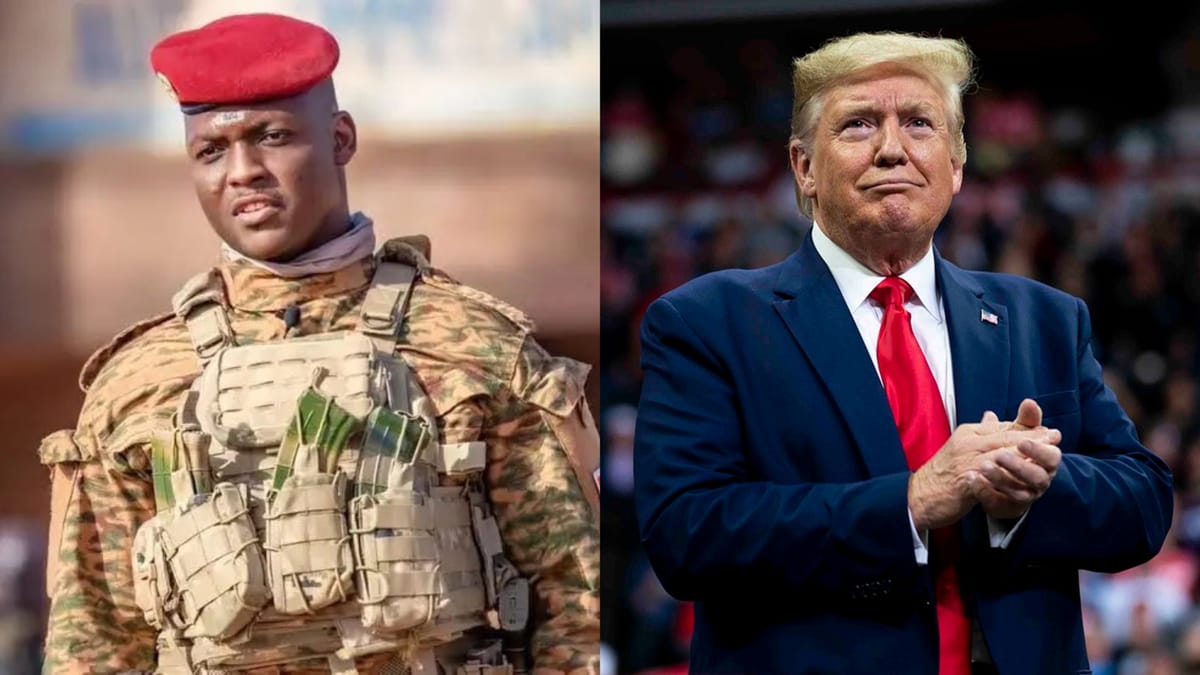
Burkina Faso signed a five-year health cooperation Memorandum of Understanding with the United States under the America First Global Health Strategy.
The U.S. intends to provide up to $147 million (pending Congressional approval) to combat HIV/AIDS, malaria, and other infectious diseases, while enhancing disease surveillance, outbreak response, digitized health data systems, and lab capacity—including $12 million for global health security in the Sahel.
Burkina Faso committed $107 million in increased domestic health spending, bringing the total to $254 million and emphasizing national ownership in a region facing persistent security and health challenges.
This move stands out as several African countries, including Zimbabwe and Zambia, have rejected or delayed similar U.S. health funding proposals over concerns about sovereignty, data privacy, and unequal terms.
Zimbabwe halted talks on a larger package, citing risks to national independence, while others seek revisions to clauses on data governance and oversight. Burkina Faso's acceptance appears targeted and pragmatic—maintaining selective Western health ties even as President Ibrahim Traoré has shifted security partnerships toward Russia—focusing on immediate needs like malaria control and regional threat prevention.
The deal signals cautious re-engagement in U.S.-Africa health diplomacy, blending humanitarian goals with strategic interests. For Burkina Faso, it supports building resilient systems amid instability.
As debates on aid conditions continue across the continent, this agreement highlights a balanced approach: accept aligned support while prioritizing self-reliance.
Read:
 Frim Pong
Comments ()