
Ghana Pushes Landmark UN Vote on Transatlantic Slave Trade and Reparations
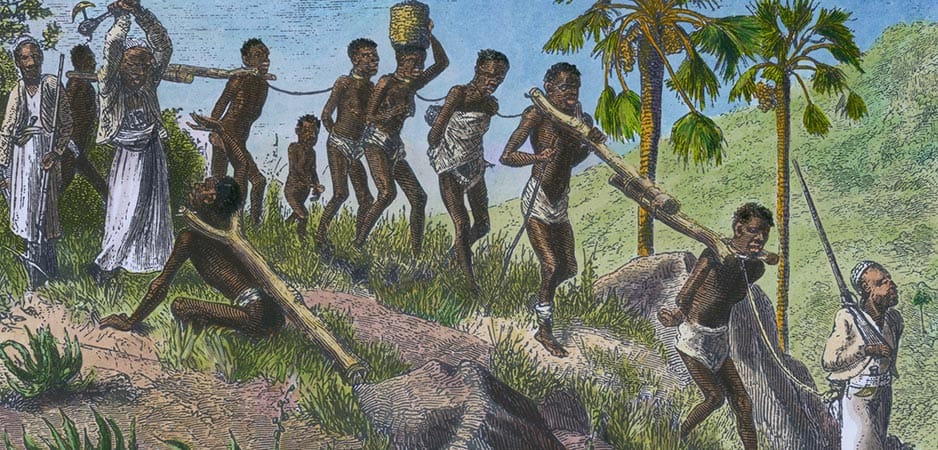
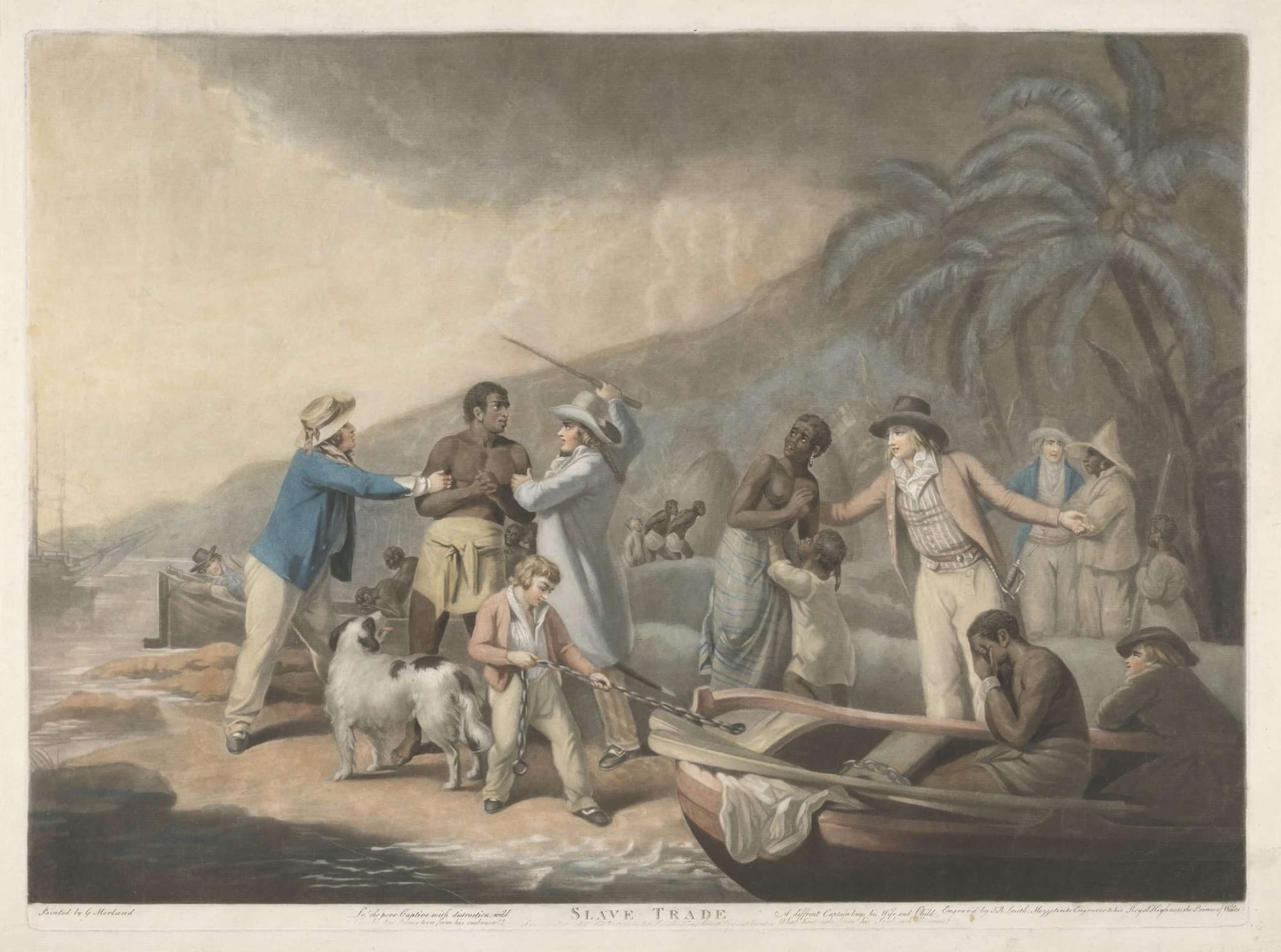
The United Nations General Assembly has adopted a resolution sponsored by Ghana that labels the transatlantic slave trade and the racialized chattel enslavement of Africans as “the gravest crime against humanity.”
The vote took place on March 25, 2026, during the International Day of Remembrance of the Victims of Slavery. Ghana’s President John Dramani Mahama addressed the Assembly, calling the move an important step toward healing historical wounds and advancing reparative justice.
The resolution passed with 123 countries voting in favor, while only three nations — the United States, Israel, and Argentina — voted against it. Fifty-two countries, including most European Union members and the United Kingdom, chose to abstain.
Although the text is not legally binding, it urges governments to consider formal apologies and support for reparations initiatives or a special fund. Ghana’s officials described the outcome as a significant achievement in the global push for accountability.
While the horrors of the transatlantic slave trade are undeniable, history shows that slavery and slave trading existed in many parts of the world long before European involvement, including within African societies that supplied captives to traders.
Today, discussions about reparations raise complex questions about fairness, responsibility across generations, and whether financial transfers or symbolic gestures can truly address modern development challenges better than strong governance and economic policies. This symbolic UN vote keeps the debate alive but highlights how difficult real-world implementation would be.
Read:
 Frim Pong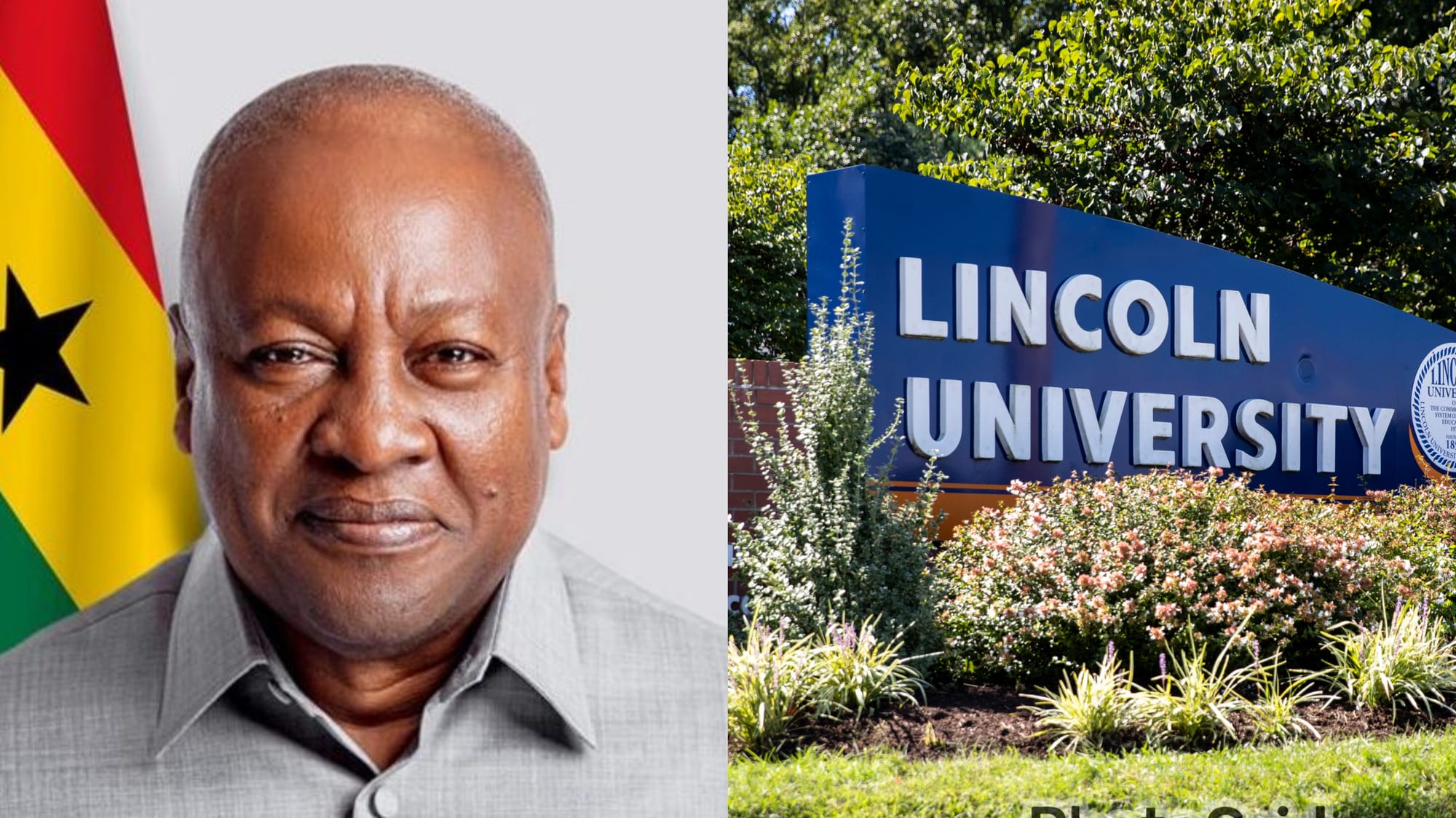

Comments ()