

Education Ministry Sets the Record Straight on Curriculum Misconceptions
Ghana's Ministry of Education has debunked reports claiming foreign languages are compulsory in the revised basic school curriculum, outlining the official language policy for early-grade learners.
By: Frimpong | The Breaking Desk
Published: August 3, 2026
Key Details
- Foreign Languages Remain Elective: French, Arabic, Chinese, and other foreign languages are optional subjects and will only be offered based on school resources and qualified teaching staff.
- Early Childhood Instruction (KG–P3): Ghanaian local languages will serve as the exclusive, primary medium of instruction to strengthen foundational literacy and cognitive skills.
- Bilingual Transition (P4–P6): Schools will combine English and local Ghanaian languages to ease pupils into higher academic levels while retaining native language proficiency.
Explained
Ghana’s Ministry of Education has officially refuted widespread claims that foreign languages, specifically French, Arabic, and Chinese, have been made compulsory under the proposed revised basic school curriculum.
In a formal press statement issued on August 2, 2026, the Ministry addressed the growing public debate and anxiety among parents, teachers, and school administrators regarding the language framework for early childhood education.
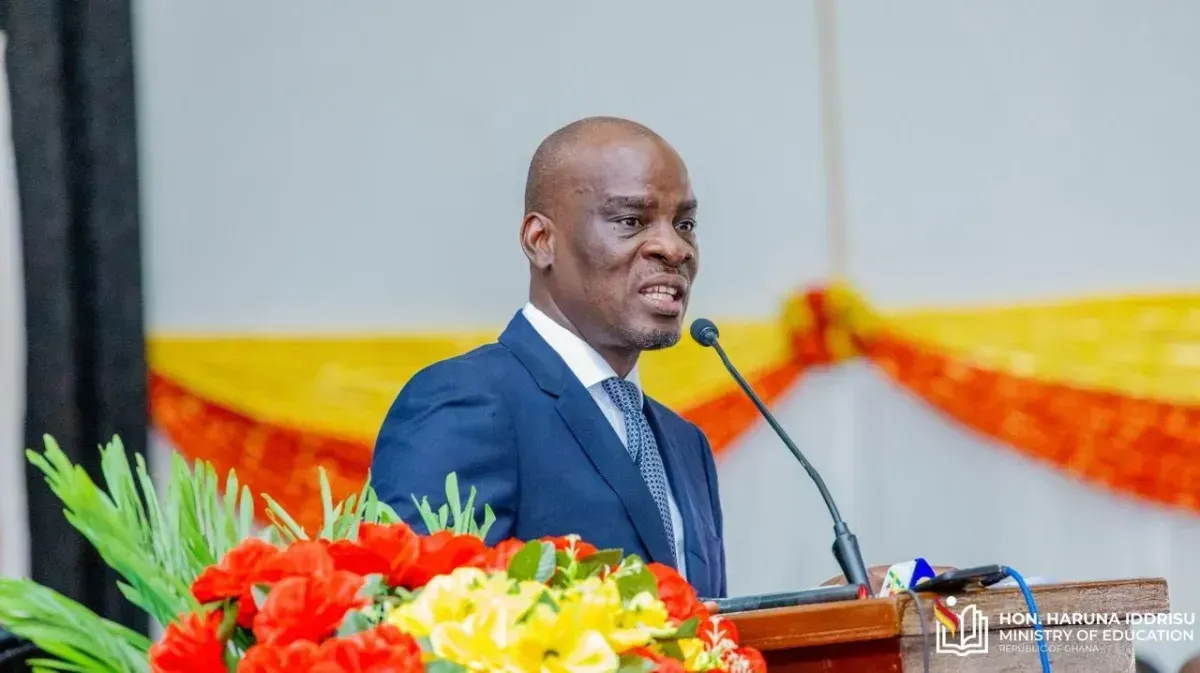
Speaking on behalf of the Ministry, Press Secretary Hashmin Mohammed emphasized that foreign languages will function strictly as elective subjects. Their availability in basic schools will be contingent upon individual institutions having qualified instructors and approved teaching materials.
How Ghana’s Revised Basic School Language Policy Works
The Ministry outlined a phased approach to language instruction tailored to cognitive development stages:
1. Primary Instruction in Local Languages (Kindergarten to Primary 3)
During the foundational years (KG to Primary 3), Ghanaian languages will serve as the main medium of instruction. The objective is to enable young learners to grasp essential literacy, numeracy, and critical-thinking skills in a language they understand comfortably before introducing more complex secondary languages.
2. The Transitional Bilingual Framework (Primary 4 to Primary 6)
Starting from Primary 4 through Primary 6, classrooms will adopt a dual-language structure incorporating both English and local Ghanaian languages.
"This bilingual approach is designed to support a smooth transition to higher levels of education, where English assumes a greater role, while preserving learners’ competence in Ghanaian languages," the Ministry stated.
Alignment with International Educational Standards
The Ministry highlighted that the updated curriculum aligns with global best practices and research in early childhood pedagogy, which demonstrate that children achieve significantly higher learning outcomes when initial instruction is delivered in their native tongue.
Furthermore, the government reiterated its commitment to promoting national multilingualism while protecting Ghana’s rich cultural and linguistic heritage.
The Ministry urged school authorities, media outlets, educators, and the general public to ignore false reports alleging that foreign language learning has been forced onto basic school pupils. Officials maintained that the policy focuses on delivering evidence-based education that equips Ghanaian children for a globalized world without compromising their local roots.
Read:
 FrimPong


Comments ()