

Ghanaian TikToker Camilla Alhassan Jailed 1 Year for False Ritual Claims Against Mahama
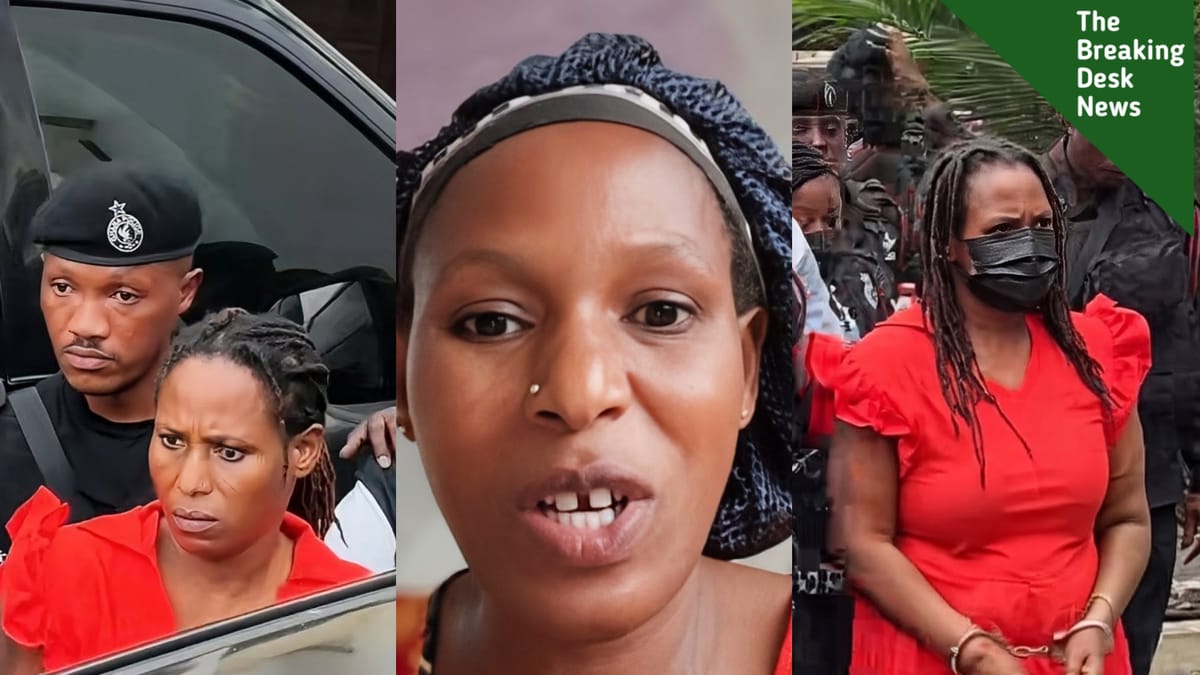
Ghanaian TikTok content creator Camilla Alhassan has been sentenced to one year in prison by the Accra Circuit Court.

The 43-year-old influencer was convicted on Thursday, July 16, 2026, after pleading guilty to charges of offensive conduct and publishing false news. The case stems from a viral disinformation campaign targeting President John Dramani Mahama, raising urgent new questions about social media accountability and criminal liability online.
The Fabricated Viral Claim: 32 Cows and Election Rituals
The legal battle began in late June 2026 when Alhassan published a series of videos across her social media platforms. Without providing a shred of evidence, she alleged that President Mahama had buried 32 cows as part of a traditional ritual designed to secure his victory in the 2024 general elections.
Furthermore, Alhassan claimed that a separate public health initiative involving sanitary pad distribution was being used as a front to mask these alleged occult activities.

Given her substantial digital following, the videos quickly accumulated thousands of shares, sparking intense political friction and prompting an immediate intervention by the Ghana Police Service.
From Viral Video to Police Arrest
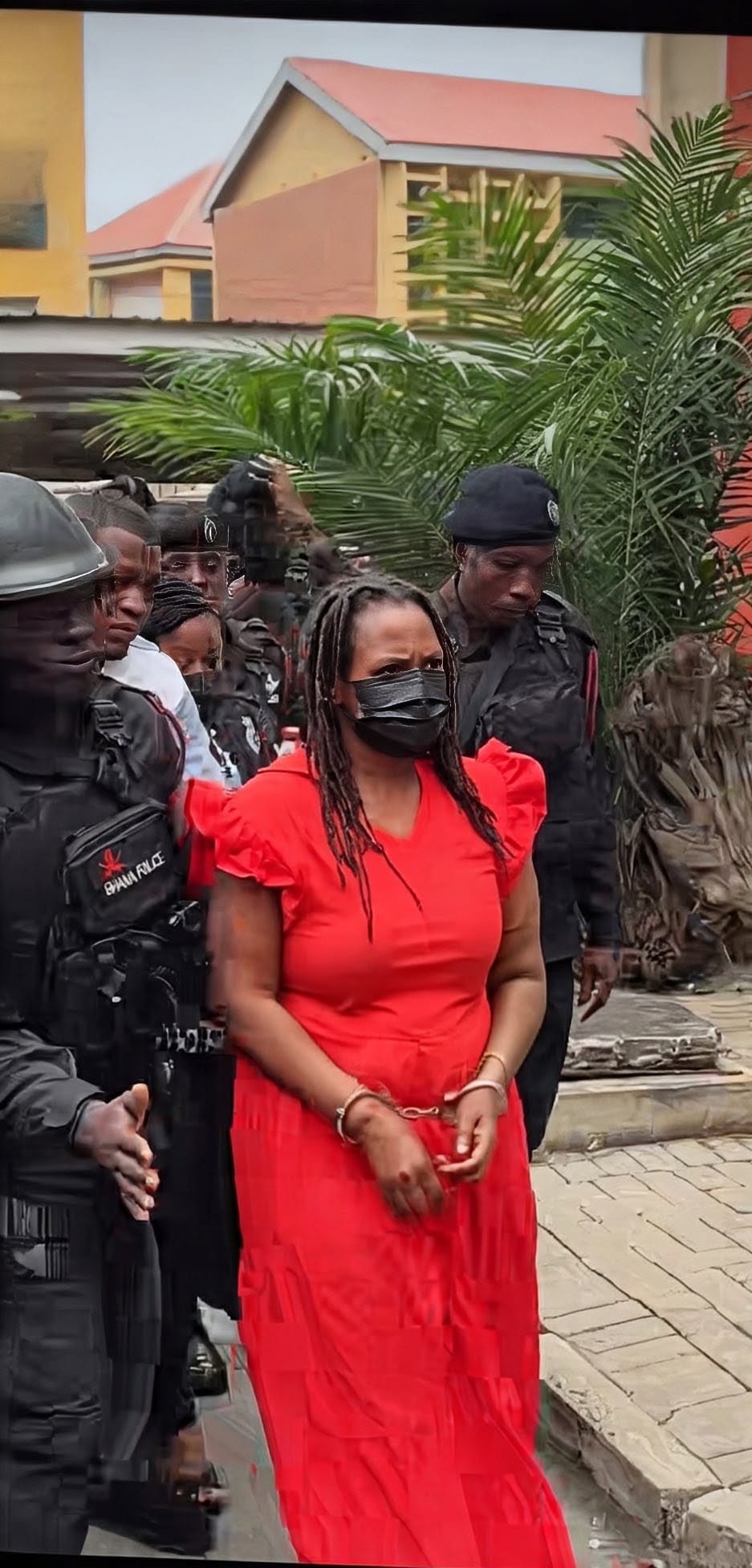
After the widespread circulation of the videos, the Police Criminal Investigation Department (CID) extended an official invitation to Alhassan to assist with investigations. After she failed to cooperate, law enforcement tracked her down, resulting in her arrest on Friday, July 10, 2026.
When brought before the Accra Circuit Court, Alhassan admitted to all the charges brought against her. The presiding judge initially adjourned the proceedings earlier in the week to allow for a mandatory pregnancy test to ensure prison conditions would accommodate her health—a standard protocol before final sentencing. Upon receiving a negative result, the court handed down the definitive 12-month custodial sentence.
Legal Provisions: Why a TikTok Video Led to Prison
The prosecution successfully argued that Alhassan’s actions violated two major tenets of Ghana’s Criminal Offences Act (Act 29):
- Section 207 (Offensive Conduct): Actions or speech intended to provoke a breach of the peace.
- Section 208 (Publishing False News): Fabricating and disseminating statements likely to cause fear, alarm, or public disturbance.
Because the claims attacked the character of the sitting Head of State and carried the potential to incite political instability, the judiciary opted for a custodial sentence rather than a mere fine, aiming to set a firm precedent.
The Growing Debate: Digital Accountability vs. Free Speech
While many citizens have lauded the verdict as a necessary step to curb the rampant spread of "fake news" ahead of political seasons, the ruling has sparked intense debate among free-speech advocates.
The Free Speech Dilemma: Local watchdogs, including representatives from the Media Foundation for West Africa (MFWA), have consistently warned against using criminal statutes to police digital speech. While condemning Alhassan's blatant misinformation, advocates caution that aggressive criminal prosecution of content creators can create a chilling effect on legitimate public discourse and citizen journalism.
Read:
 Frim Pong
Comments ()