

Spain Escorts Thousands of Migrants Toward the Ceuta Border After Mass Crossing Attempts
By: FrimPong | The Breaking Desk
Published: August 1, 2026
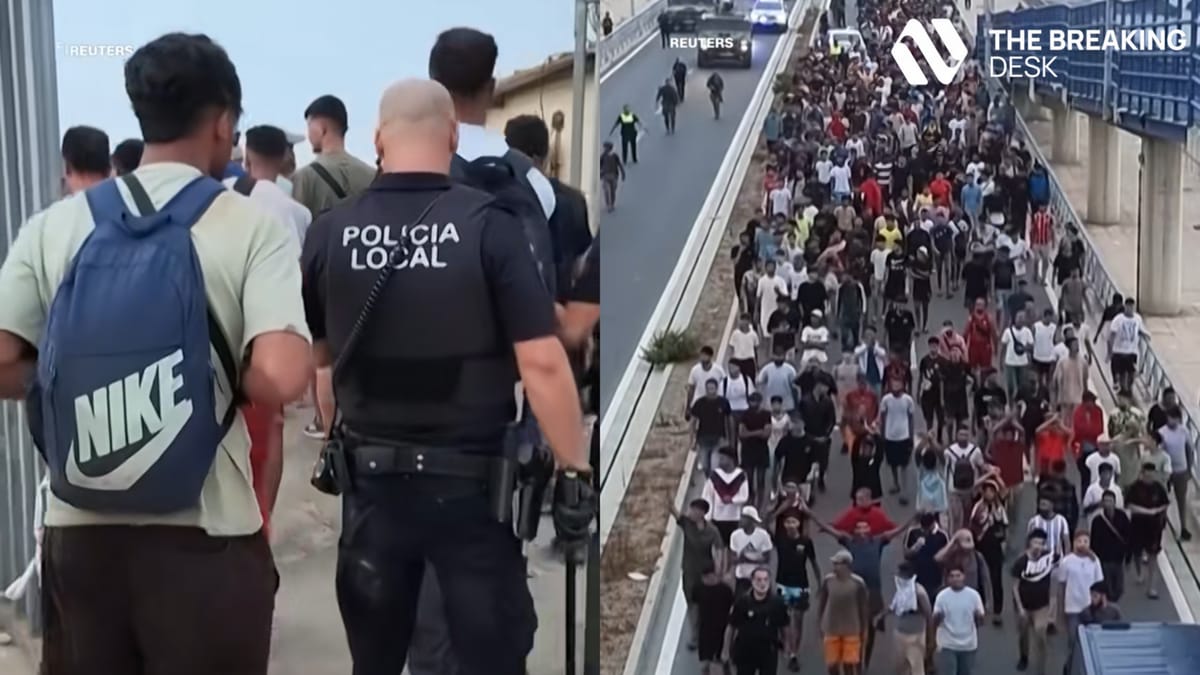
CEUTA, Spain — Spanish police and military units escorted crowds of migrants toward the Moroccan border in the exclave of Ceuta on Saturday after one of the largest mass crossing attempts in recent years.
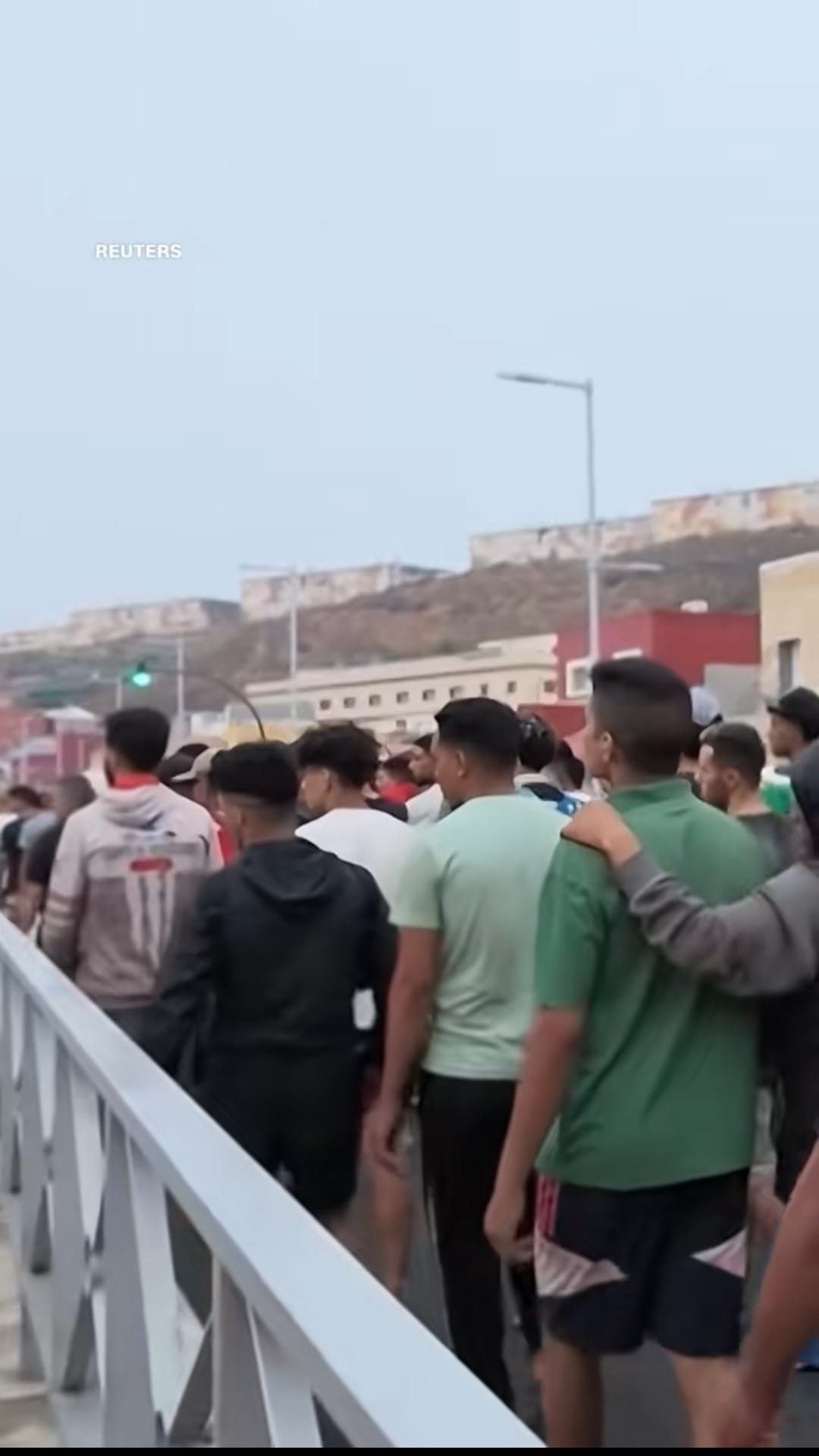
According to reports by CNN citing Spain’s Interior Ministry, an estimated 50,000 people attempted to cross into Spanish territory this week. Official statements confirm that by Friday evening, the vast majority of those who entered or attempted entry had returned to Morocco, significantly relieving immediate pressure on local security forces.
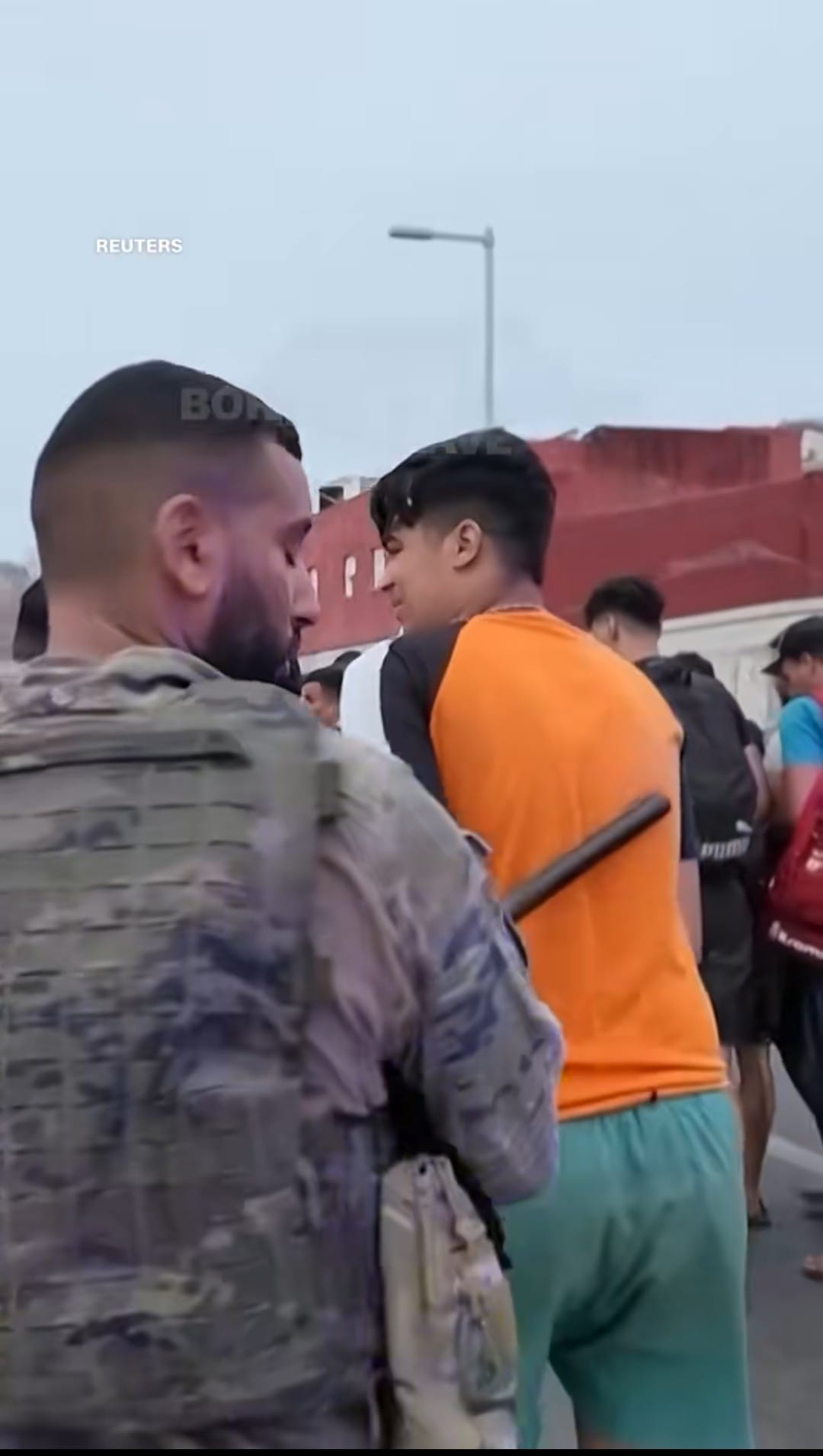
Local officials reported at least 57 fatalities during the surge, largely attributed to drowning as individuals attempted to navigate around coastal breakwaters under treacherous maritime conditions.

| Key Metric | Details & Status |
| Estimated Influx | ~50,000 to 60,000 people over 48 hours |
| Return Status | Majority returned to Morocco by Friday evening |
| Casualty Reports | At least 57 fatalities reported by local authorities |
| Key Drivers | Misinformation on Supreme Court ruling, economic strain |
Swift Returns and Regional Legal Barriers
While Spanish authorities deployed military personnel to secure the border perimeter, officials noted that a significant portion of those who crossed returned to Morocco voluntarily due to a severe shortage of food, shelter, and medical services within the 7.1-square-mile exclave.

The sudden influx triggered immediate legal and logistical complications for Madrid. A recent decision by Spain’s Supreme Court restricted immediate, summary deportations for individuals arriving by sea without formal proceedings. Despite these legal hurdles, officials relied on existing bilateral readmission frameworks with Rabat and voluntary departures to manage the movement back across the frontier.
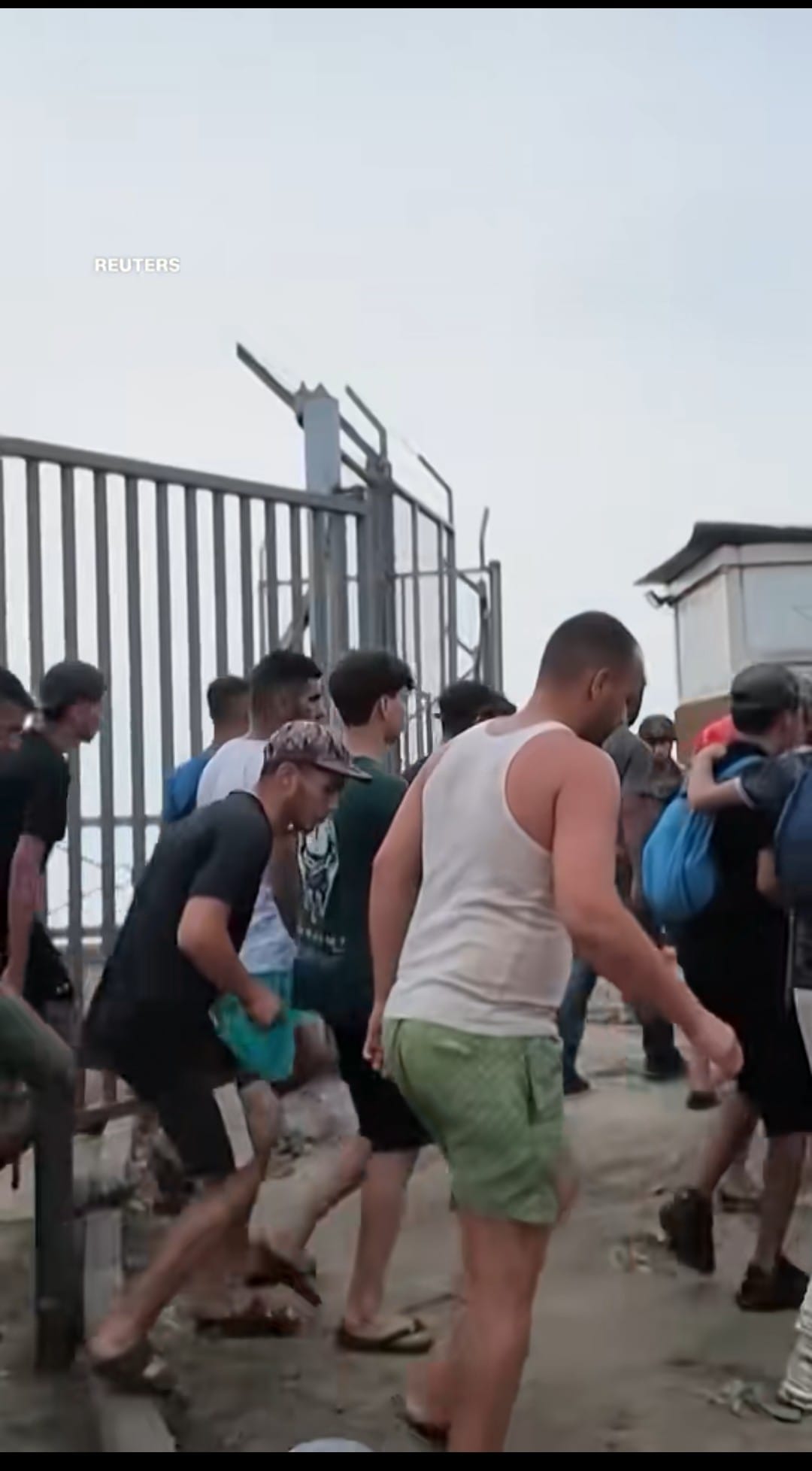
Spanish Prime Minister Pedro Sánchez visited Ceuta to assess the situation directly, calling the surge a direct challenge to Spain's territorial integrity and citing misinformation spread by human trafficking networks regarding legal processes.
A Strategic Gateway to the European Union
Ceuta, alongside its neighboring exclave Melilla, represents the European Union's only direct land border on the African continent. Protected by dual 20-foot-high wire fences, sensors, and constant patrols, the territory remains a primary target for migrants attempting to enter the EU without prior authorization.
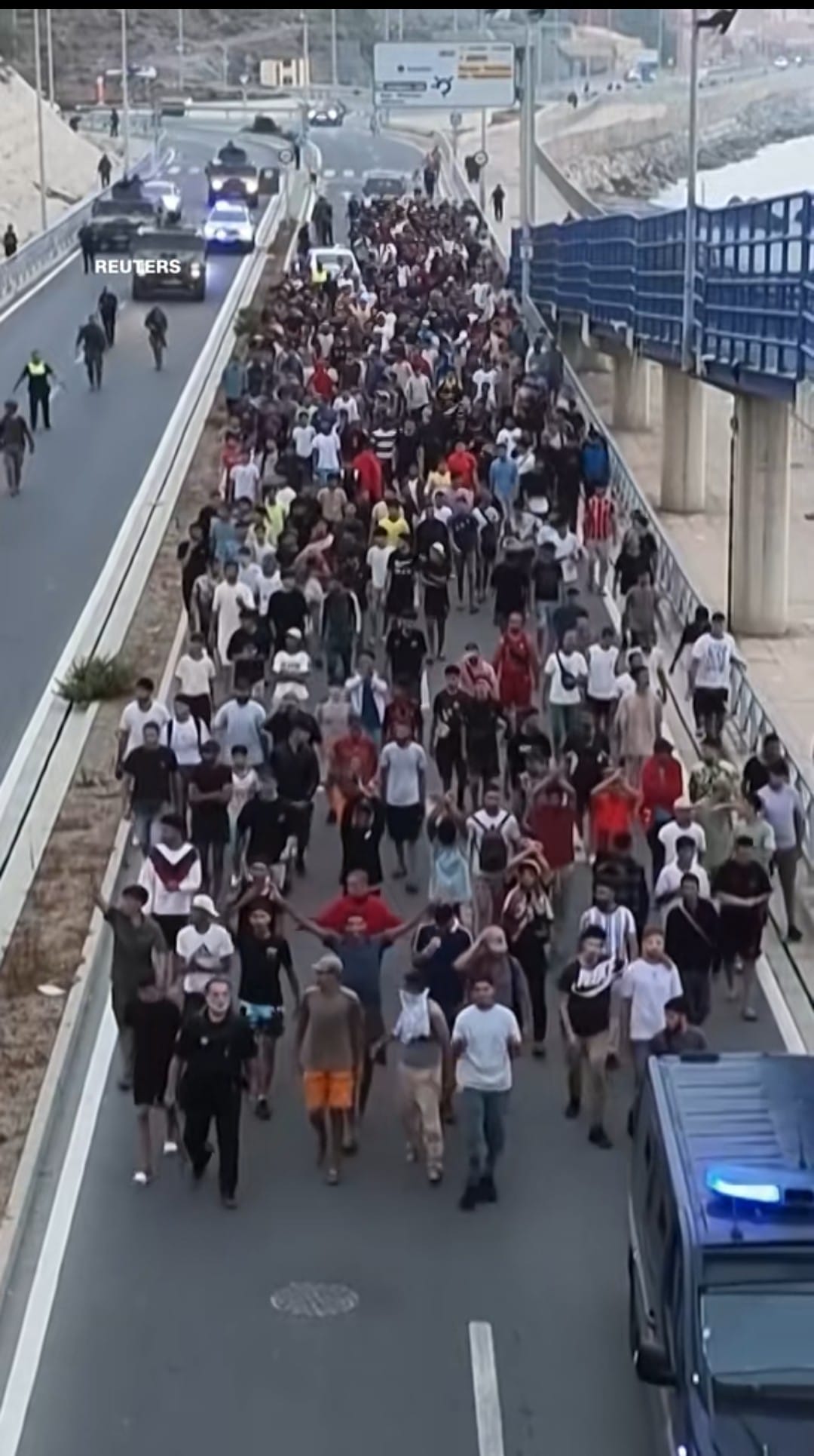
Movement from Ceuta to mainland Europe is strictly controlled, meaning arrival in the exclave does not automatically confer free travel within Europe's Schengen Zone. Nonetheless, underlying drivers, including persistent economic hardship, political instability, and youth unemployment across North and Sub-Saharan Africa, continue to push thousands toward these routes.
European Border Controls React
The scale of the crossing prompted immediate reactions across neighboring European states:
- Italy temporarily re-instituted targeted border checks on travel originating from Spain, citing emergency border provisions permitted under EU regulations.
- France announced a threefold increase in police deployment and drone surveillance along its border with Spain.
- Spanish Authorities announced plans to install specialized floating maritime barriers around Ceuta’s coastal approaches to deter future sea crossings while complying with recent court mandates.
Spanish and Moroccan security forces maintain enhanced border surveillance along the shared frontier to prevent secondary crossing attempts.
Editorial Note: This article incorporates reporting originally published by CNN, supplemented by official statements from Spain's Interior Ministry, the Autonomous Government of Ceuta, and international diplomatic statements.



Comments ()