

DNA Testing for Paternity is Forbidden in Islam – Dr. Sharafdeen Gbadebo
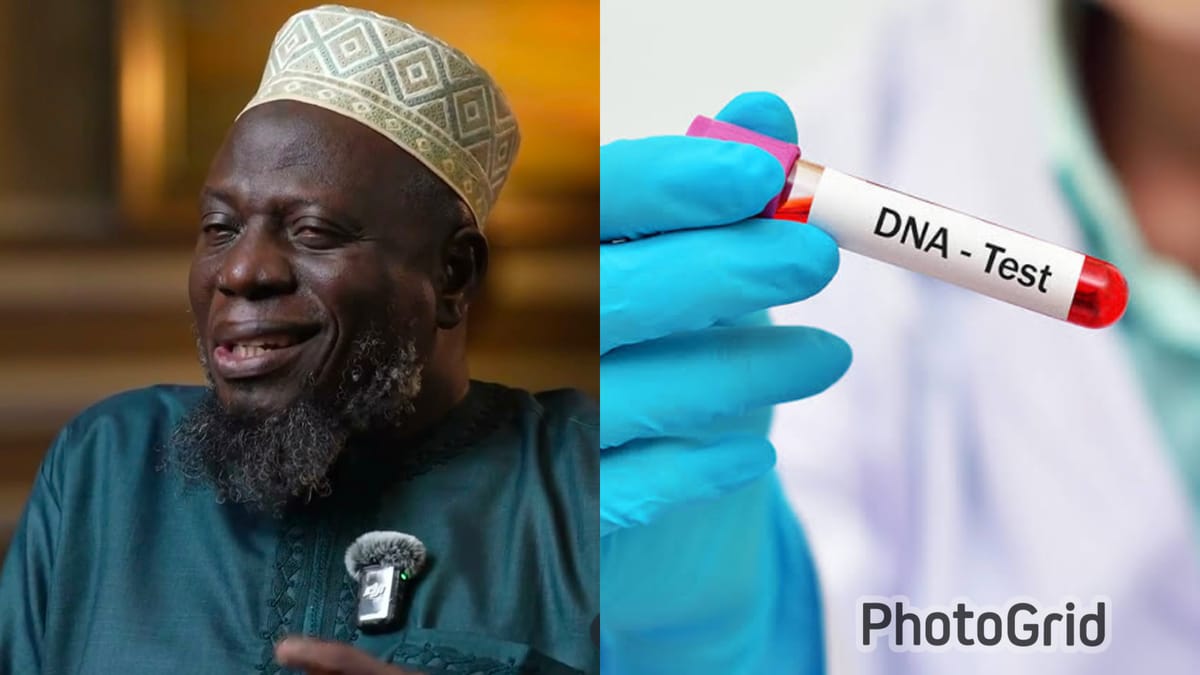
Prominent Islamic cleric, Dr. Sharafdeen Gbadebo, has stirred controversy after declaring that DNA testing to determine paternity is forbidden in Islam. According to him, no God-fearing Muslim should subject their children to such tests, as it goes against Islamic teachings on lineage and family.
Dr. Gbadebo argued that Islam places strong emphasis on preserving family ties and respecting marital sanctity. He stressed that questioning the paternity of children born within a lawful marriage could disrupt family stability and undermine moral and spiritual values. For him, relying on DNA testing reflects a lack of faith in God’s guidance and order.
However, a medical expert has reacted to the cleric’s assertions, offering a different perspective. The expert explained that DNA testing is a scientific tool that can be vital in resolving disputes, ensuring accurate medical history, and addressing issues of inheritance or legal responsibilities. They maintained that the test itself is not immoral but rather a neutral scientific procedure that can serve families when used responsibly.
The contrasting views have sparked debate among the public, with some aligning with the cleric’s religious position while others emphasize the practical and medical benefits of DNA testing. The discussion highlights the ongoing tension between religious beliefs and modern science in addressing sensitive social and family matters.



Comments ()